
Last updated November 21, 2026
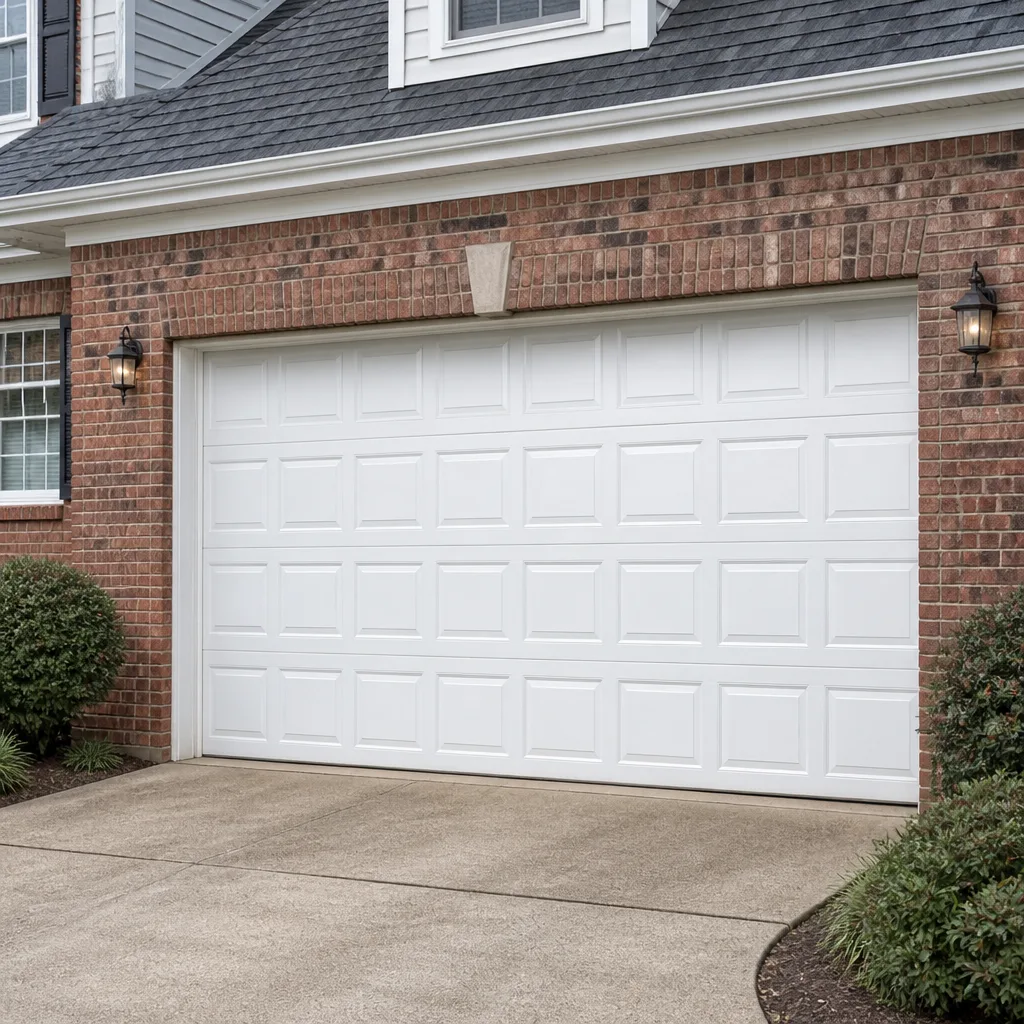 Raised-panel steel
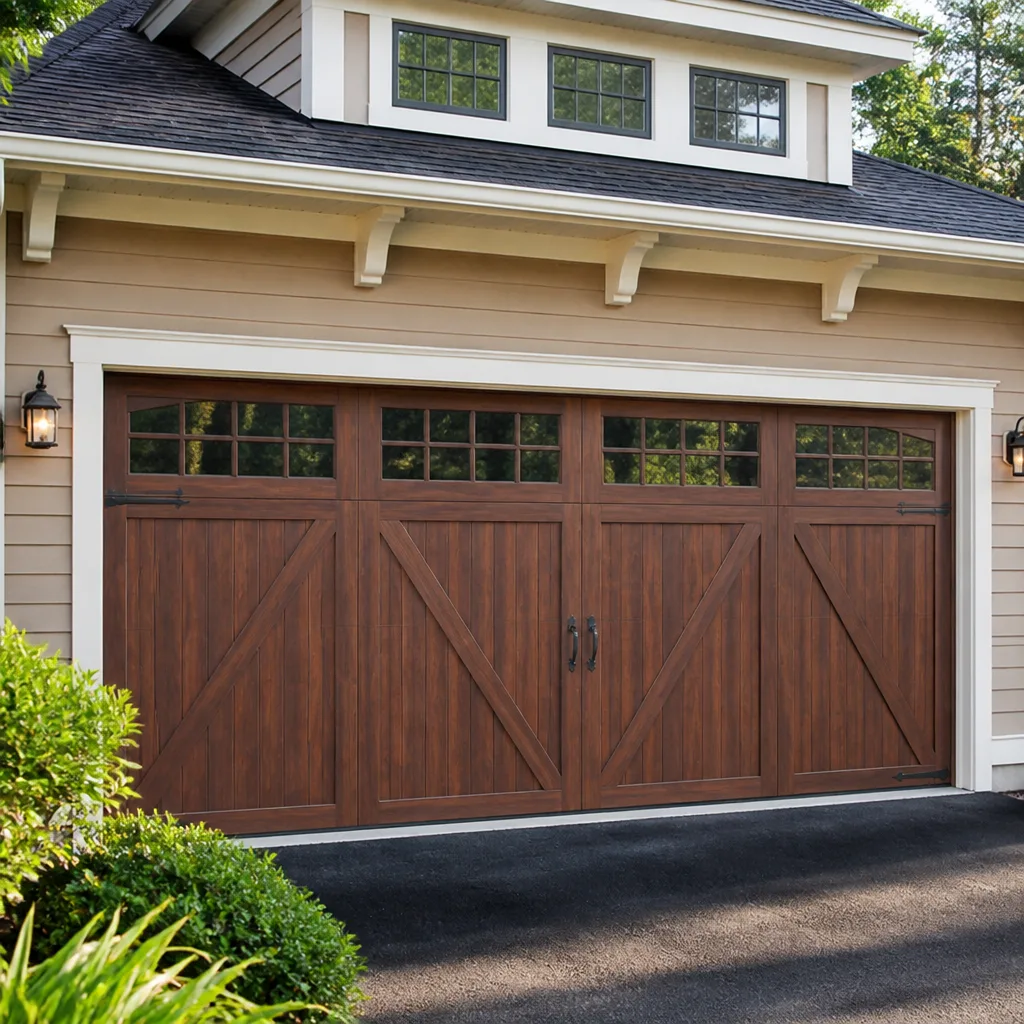 Carriage house
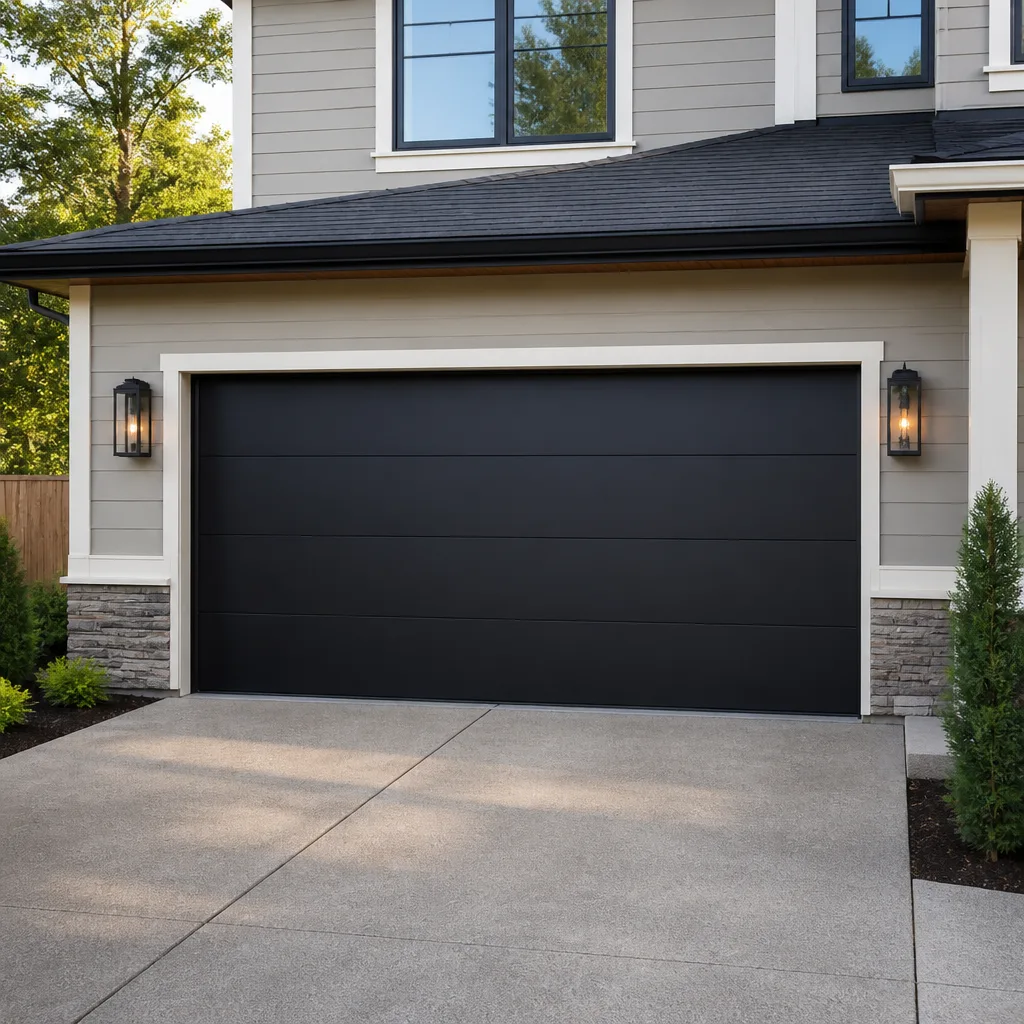 Modern flush
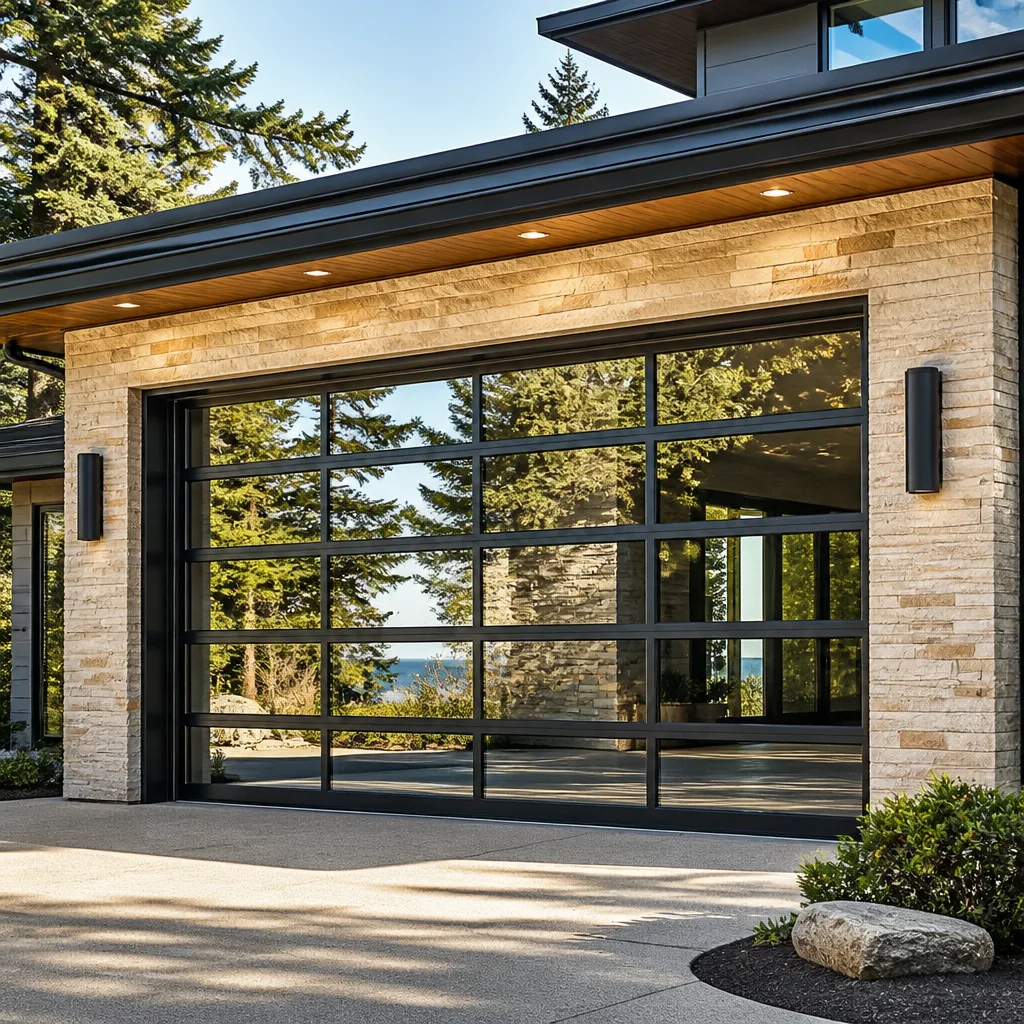 Full-view glass
 LiftMaster openers
 Chamberlain openers
Full 25-point door and opener safety check with every visit - springs, cables, rollers, tracks, and your LiftMaster or Chamberlain opener included
You get a price before we start. It does not change when the pro arrives.
Get your free estimateSeasonal Garage Door Care for Chevy Chase: Year-Round Homeowner’s Guide
Most seasonal garage door guides were written for a climate that isn’t yours. They treat “winterizing” as the only task that matters and assume the rest of the year takes care of itself. In Chevy Chase, the calendar runs the other way. The August humidity spike does more damage to wood door panels and bottom seal adhesion than the January freeze ever will, and by the time homeowners start thinking about cold weather, the slow damage from summer is already baked in. This guide breaks the year into four distinct mechanical contexts and tells you what actually matters in each one, so your door and opener hold up through all of them.
Quick Answer
Year-round garage door care in Chevy Chase means matching your maintenance to the season instead of following a generic checklist. Spring calls for a post-freeze inspection of torsion springs and cables, summer calls for watching wood panel swelling and track alignment, fall is the right window to replace weatherseals before freeze cycles begin, and winter demands specific attention to how your opener behaves in sustained cold. The single most useful habit is a monthly balance test, because it catches most developing problems before they turn into emergency calls.
Styles & brands we work with
- Raised-panel steel
- Carriage house
- Modern flush
- Full-view glass
- LiftMaster openers
- Chamberlain openers
Table of Contents
- Why Chevy Chase’s Climate Is Hard on Garage Doors
- Spring: The Post-Freeze Inspection That Matters Most
- Summer: How Humidity Throws Your Door Out of Alignment
- Fall: Weatherseal Timing and Cold-Weather Lubrication
- Winter: Opener Failure Modes in Sustained Cold
- The One Monthly Check That Catches Most Problems
- What Your Door’s Brand Means for Seasonal Care
- A Simple Four-Season Maintenance Schedule
Why Chevy Chase’s Climate Is Hard on Garage Doors
Chevy Chase sits in a climate that swings hard in both directions. Summers bring stretches of high humidity that push moisture into anything porous, including wood door panels and the adhesive that holds a bottom seal in place. Winters bring sustained cold and freeze-thaw cycles that work on metal, rubber and lubricant in ways warm-weather content never addresses. Spring and fall are transition seasons where the damage from one extreme gets discovered or prevented before the next one arrives.
That’s four genuinely different stress regimes in a single year, and each one attacks a different part of the door system. The result is that a maintenance routine built for a mild climate misses most of what actually goes wrong in Chevy Chase garages. A door that gets the same treatment in February and August is being under-served in both months.
There’s also the housing stock. Many Chevy Chase homes have garages that were built decades ago and have been retrofitted with newer openers over the years. That mix of older door hardware and modern drive systems creates its own seasonal quirks, and it’s why we work on the brand you already have rather than steering you toward a replacement. Whether it’s an older Craftsman unit or a newer LiftMaster with Wi-Fi, the seasonal behavior of the door matters more than the label on the motor.
Understanding these four regimes is the foundation for everything that follows. Once you know what each season does to your door, the maintenance tasks stop feeling like a generic list and start making mechanical sense.
Spring: The Post-Freeze Inspection That Matters Most
Spring is when winter’s damage surfaces, and it usually surfaces in two places: torsion springs and cables. The freeze-thaw cycle puts repeated load on the door bottom, and that load travels up through the cables and into the spring system. A torsion spring that survived the winter can still be carrying a stress fracture that hasn’t failed yet, and a cable can be fraying where ice and grit worked at it through the cold months.
Here’s what a proper spring inspection looks for:
- Stress fractures on torsion springs. A thin crack along the coil is the early warning before a full break. It’s often invisible from the floor and needs a close look at the spring itself.
- Cable fraying near the drums. Broken wire strands on the cable are a sign the cable has been working harder than it should.
- Uneven door travel. If the door rises crooked or hesitates on one side, the spring system is out of balance.
- Loose or shifted bottom brackets. Ice load on the door bottom can work these loose over a winter.
We need to be direct about one thing: torsion springs and cables are under extreme tension, and they can cause serious injury if handled without the right tools and training. This is not a component to inspect by reaching into it or to adjust yourself. A visual check from a safe distance is fine; anything beyond that belongs with a trained technician. Spring repair is one of our core services for exactly this reason, and our technicians have up to 15 years of experience reading the difference between a spring that’s fine and one that’s about to let go.
If spring inspection turns up something that needs fixing, that’s a straightforward garage door repair rather than a replacement conversation. Catching a stress fracture in spring means you’re dealing with a planned repair instead of a door that won’t open.
Summer: How Humidity Throws Your Door Out of Alignment
This is the section most seasonal guides skip entirely, and in Chevy Chase it’s arguably the most important one. Summer humidity does two things to a garage door that cold weather never does: it swells wood panels, and it softens the adhesive that holds the bottom seal in place.
Wood panel swelling is the bigger problem. When a wood door takes on moisture, the panels expand slightly. That expansion has nowhere to go, so it pushes against the frame and the track. The result is a door that suddenly binds, scrapes or runs unevenly, and the homeowner often blames the opener when the real cause is the door itself. We’ve seen this pattern repeatedly: a door that worked fine all winter starts straining in July, and the fix is track realignment rather than a new motor.
The swollen door also puts extra load on the opener’s drive system. A belt-drive or chain-drive opener that’s sized correctly for a free-moving door is now pulling against resistance it wasn’t designed for. Over a summer, that strain shows up as a motor that runs hotter, hesitates, or trips its safety reverse more often than it should. Diagnosing the opener before recommending replacement is how we approach it, because in a lot of cases the opener is fine and the door is the problem.
What to watch for in summer:
- Listen for scraping or rubbing as the door travels. That’s usually panel swelling against the track.
- Check the bottom seal where it meets the floor. If it’s lifting or curling at the edges, humidity has softened the adhesive.
- Watch the door’s travel speed. A door that moves slower than it did in spring is telling you it’s binding somewhere.
- Run the safety reverse test. A door that reverses too easily may be binding enough to fool the sensor.
If the door is binding, the fix is usually track adjustment and hardware lubrication, not a new door. That’s the repair-first approach, and it’s cheaper than replacing components that are still working.
Fall: Weatherseal Timing and Cold-Weather Lubrication
Fall is the transition season, and it’s the window where preparation actually pays off. Two tasks matter most: replacing the weatherseal before freeze cycles begin, and choosing a lubricant that will still work when temperatures drop below freezing.
Weatherseal replacement timing is the one homeowners get wrong most often. A seal that’s been softened by summer humidity and worn by a season of use is at its weakest going into winter. Replace it in fall and it’s sealing properly before the first hard freeze. Wait until winter and you’re fighting cold rubber that doesn’t want to seat, and you’ve already let cold air and moisture into the garage for weeks. The bottom seal is the most important one, but the seal around the door perimeter and between panels matters too.
Lubricant selection is the task almost nobody thinks about. A general-purpose lubricant that works fine in July can thicken and gum up in sub-freezing temperatures, which makes hinges and rollers stiff and puts extra load on the opener. What you want is a lubricant formulated for cold-weather performance, applied to hinges, rollers and the track itself. The wrong lubricant is worse than no lubricant in January.
Fall checklist:
- Replace or repair the bottom weatherseal while temperatures are still mild.
- Inspect the perimeter seal and panel seals for gaps or hardening.
- Lubricate hinges, rollers and springs with a cold-rated product.
- Check that the tracks are clean and free of summer grit before the cold sets in.
- Test the door balance (more on this below) and note any change.
If the weatherseal work turns into something bigger, like a door that needs realigning or hardware that’s worn past saving, that’s a garage door repair we can look at before winter makes it worse.
Winter: Opener Failure Modes in Sustained Cold
Winter is where opener behavior gets interesting, and it’s where the brand on your motor actually matters. LiftMaster and Genie units, the two most common platforms in Chevy Chase garages, each have their own cold-weather quirks. Neither one is “bad” in cold; they just fail in different ways, and knowing the pattern helps you describe the problem accurately when you call.
In sustained sub-20°F conditions, the most common opener problems are:
- Stiff drive components. Cold thickens lubricant in the drive system and stiffens the door’s rollers, so the opener works harder than it did in fall.
- Safety reverse sensitivity. A cold-stiffened door can trigger the safety reverse even when nothing is in the way, because the opener senses more resistance than expected.
- Logic board and remote issues. Cold can affect the electronics in older units, and a remote that worked in October may need a fresh battery or a re-pair with the motor.
- Limit switch drift. Temperature swings can shift where the door thinks its open and closed positions are, so it stops short or over-travels.
Diagnosing which of these is happening is the first step, and it’s why we start with the opener rather than assuming it needs replacing. A Craftsman or Chamberlain unit that’s behaving oddly in January often just needs adjustment, lubrication or a battery, not a new motor. If your opener is genuinely failing, that’s an opener issue we handle as part of garage door opener repair, and we work across Chamberlain, Genie, Craftsman and LiftMaster platforms.
One more winter note: don’t force a stiff door. If the door won’t move freely, the opener isn’t the thing to blame, and forcing it can damage the drive system. Call for help instead.
The One Monthly Check That Catches Most Problems
If you do only one thing this year, do the balance test once a month. It’s simple, it’s safe, and it catches the majority of developing problems before they become emergency calls. A door that’s out of balance is telling you something is wearing, and catching it early usually means a small adjustment instead of a broken spring or a dead opener.
Here’s how to do it:
- Disconnect the opener using the manual release cord so the door moves freely by hand.
- Raise the door about halfway and let go.
- A balanced door should stay roughly where you left it. A door that drops or rises on its own is out of balance.
- Reconnect the opener and note what you found.
What the result means:
- Door drops when released: the springs are losing tension. That’s a spring issue and it’s worth a professional look.
- Door rises when released: the springs are over-tensioned or the door is too light for the spring setting.
- Door moves unevenly: one side is binding, often a track or roller issue.
- Door stays put: the door is balanced and the system is healthy.
Do this test monthly and you’ll notice changes as they happen rather than months later. It takes two minutes and it’s the highest-value maintenance task on this list. If the balance test shows a problem, that’s when you call, and it’s often a repair rather than a replacement.
What Your Door’s Brand Means for Seasonal Care
We work across eight major brands, and the reason that matters for seasonal care is that different systems have different wear patterns. We’re fluent in LiftMaster, Chamberlain, Genie, Clopay, Amarr, Wayne Dalton, Craftsman and Raynor, which covers the vast majority of doors and openers in Chevy Chase garages. That range means we can look at your specific system and tell you what to expect from it each season, rather than giving generic advice that may not fit.
A few examples of how brand context changes the conversation:
- LiftMaster and Chamberlain openers share a lot of design DNA, so cold-weather behavior and diagnostics tend to follow similar patterns. A Wi-Fi-enabled LiftMaster unit adds connected features that don’t change the mechanical story but do change how you troubleshoot remote issues.
- Craftsman units are common in older Chevy Chase garages, and they often pair with doors that have seen a lot of seasons. The seasonal care conversation there is more about the door hardware than the motor.
- Raynor and Clopay doors vary by panel construction, and how a door handles summer humidity depends partly on whether it’s a wood or steel panel system.
The point isn’t to memorize brand-specific trivia. It’s that a specialist who works on your brand regularly will spot seasonal wear patterns faster than someone who only sees one brand. If your door or opener is due for a full replacement rather than another season of repair, that’s a conversation we’re equipped to have too, and garage door installation is one of our core services. But we don’t lead with replacement when a repair will do the job.
A Simple Four-Season Maintenance Schedule
Here’s the whole guide compressed into a schedule you can actually follow. The point is to match each task to the season where it does the most good, not to do everything all at once.
Spring
- Inspect torsion springs for stress fractures and cables for fraying (from a safe distance; leave adjustment to a professional).
- Check bottom brackets for looseness caused by winter ice load.
- Confirm the door travels evenly and doesn’t hesitate on one side.
Summer
- Watch for panel swelling and track binding as humidity rises.
- Check the bottom seal for lifting or curling at the edges.
- Listen for scraping during door travel and note any change in speed.
Fall
- Replace the bottom weatherseal before freeze cycles begin.
- Lubricate hinges, rollers and springs with a cold-rated product.
- Clean tracks of summer grit and run a balance test.
Winter
- Watch opener behavior for safety reverse sensitivity and limit drift.
- Don’t force a stiff door; call if it binds.
- Recheck balance as temperatures swing, since cold affects spring tension.
Every month, all year
- Disconnect the opener, raise the door halfway, and check that it holds its position.
- Note any change from the previous month and act on it early.
If any task on this schedule turns into something you can’t safely handle, that’s what we’re here for. Spring and cable work in particular should always go to a trained technician.
Common Mistakes to Avoid
- Following a generic seasonal checklist. A guide written for a mild climate tells you to “winterize” and stop there. In Chevy Chase, the summer humidity tasks matter just as much, and skipping them leaves your door vulnerable all year.
- Ignoring the door when the opener acts up. A binding door overloads the opener and makes it look like the motor is failing. Diagnose the door first, because the opener is often fine.
- Replacing weatherseal in the middle of winter. Cold rubber doesn’t seat well and you’ve already lost weeks of protection. Fall is the right window in this climate.
- Using the wrong lubricant. A lubricant that works in July can thicken below freezing and make hinges and rollers stiff, which strains the opener. Use a cold-rated product.
- Reaching into the spring or cable assembly. Torsion springs are under extreme tension and can cause serious injury. Visual inspection only; adjustment belongs to a trained technician.
- Forcing a stiff door in cold weather. Resistance in a cold door means something is binding or the springs are off. Forcing it damages the drive system and turns a small fix into a bigger one.
- Skipping the monthly balance test. It’s the cheapest diagnostic you have and it catches most developing problems before they turn into emergency calls.
See the difference
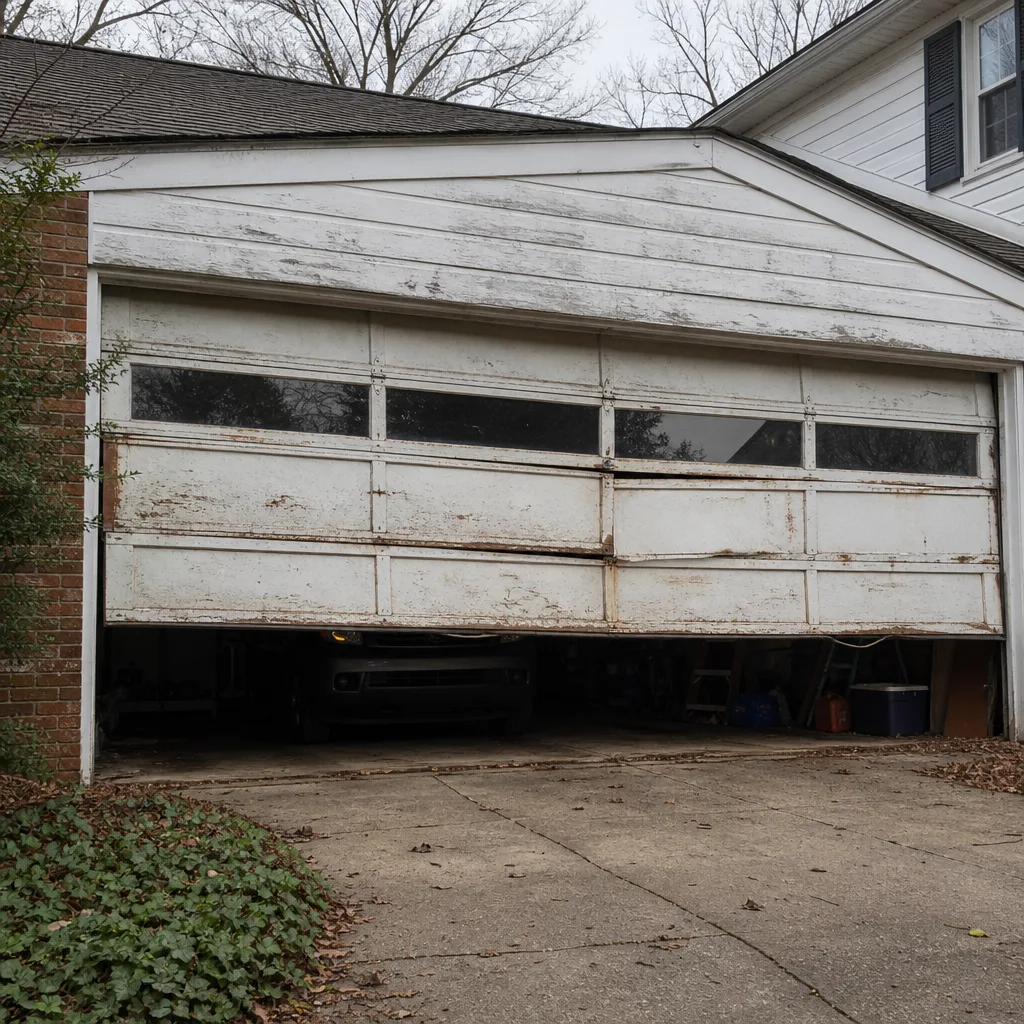 Before
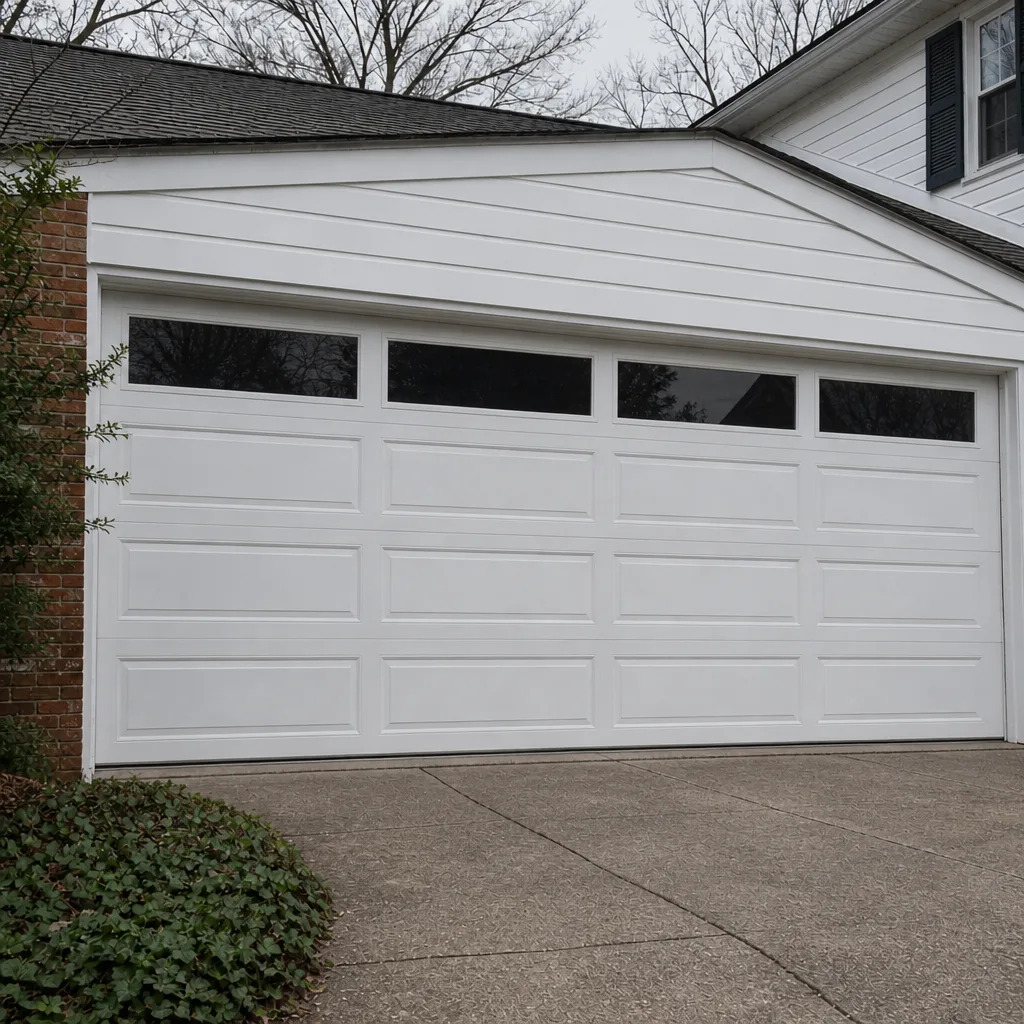 After
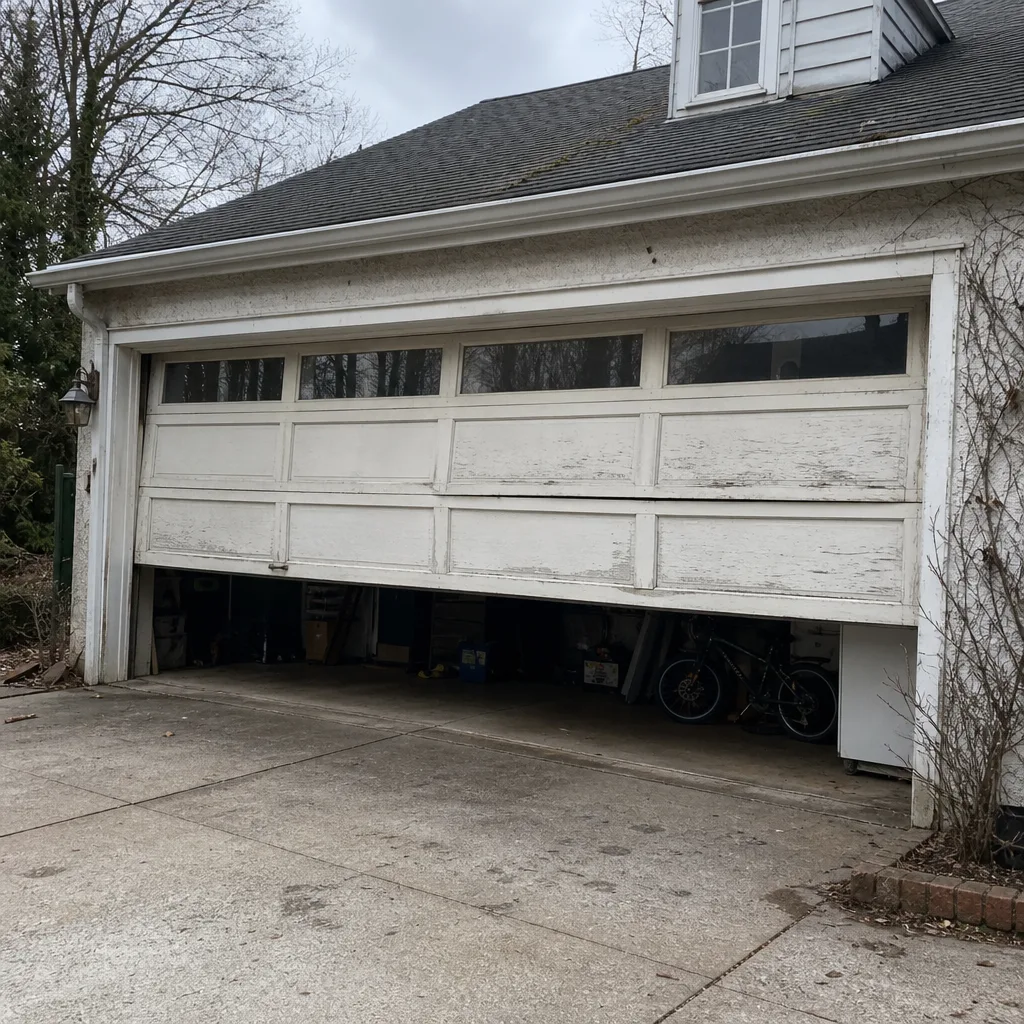 Before
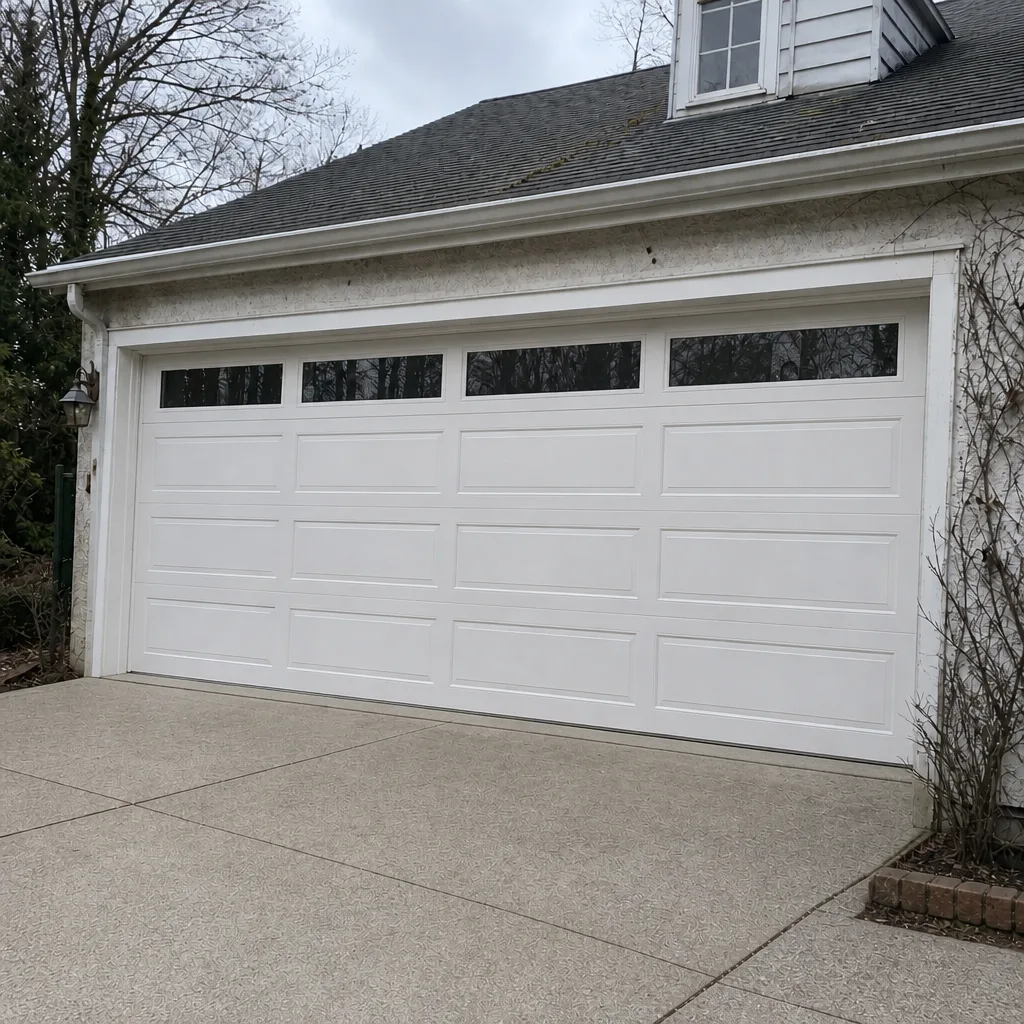 After
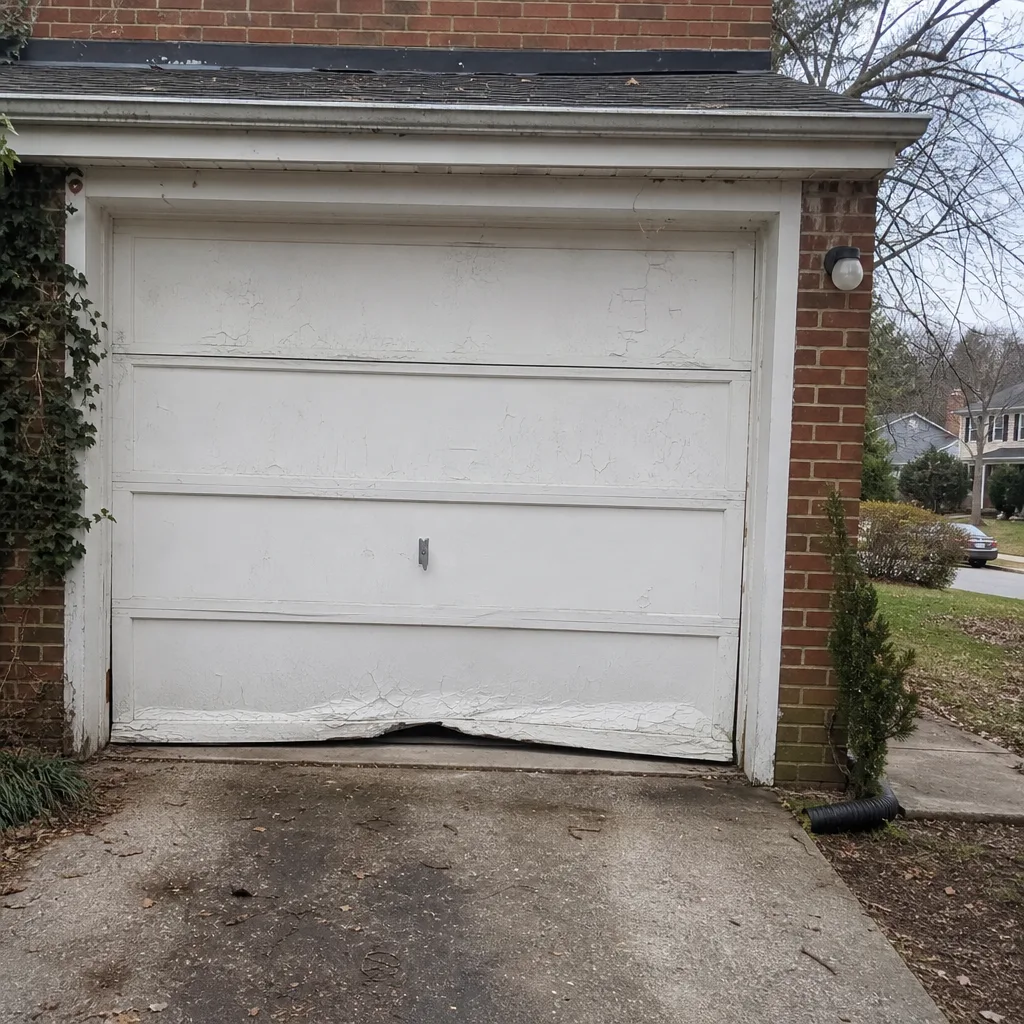 Before
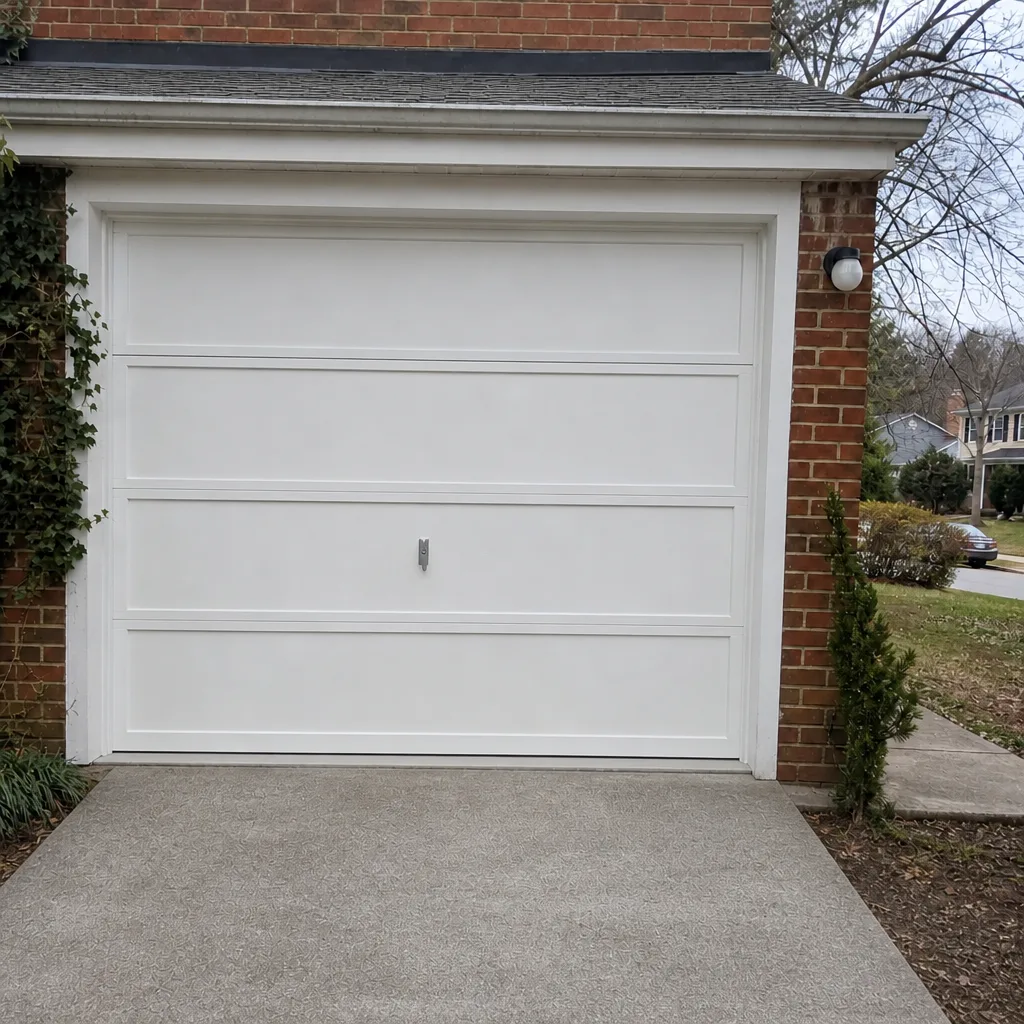 After
When to Call a Professional
Some seasonal tasks are safe to do yourself: the monthly balance test, watching for panel swelling, and checking the bottom seal. Others aren’t. Call a professional when a spring shows a stress fracture, when a cable shows fraying, when the balance test shows the door drifting, or when the opener behaves erratically in cold weather and a battery swap doesn’t fix it. Call when the door binds and you can’t find the cause, and call if the door won’t move freely at all. Spring and cable work is the highest-risk part of this trade, and it’s not a homeowner task. Chevy Chase Garage Door Repair offers free estimates in Chevy Chase – call (855) 684-8076. We answer 24/7. Fast dispatch from 7am to 7pm, Sunday through Friday.
Frequently Asked Questions
The monthly balance test is the single highest-value task because it catches most developing problems before they turn into emergency calls. Disconnect the opener, raise the door halfway, and see if it holds its position. A door that drifts is telling you something is wearing, and catching it early usually means a small repair instead of a broken spring. Call (855) 684-8076 for an exact quote if the test shows a problem – estimates are free.
In Chevy Chase, yes, at least for wood panels and bottom seal adhesion. Summer humidity swells wood panels, which throws the door out of alignment and strains the opener, and it softens the adhesive that holds the bottom seal in place. Winter cold is hard on metal and rubber, but the summer damage often goes unnoticed until fall. Both seasons matter, and the calendar most homeowners follow has the timing backwards.
Yes, replacing a bottom weatherseal is a reasonable homeowner task if the door is in good repair and you’re comfortable on a ladder. The trick is timing: do it in fall, while temperatures are still mild, because cold rubber doesn’t seat well. If the seal work reveals track or hardware damage, that’s when a professional look makes sense. Call (855) 684-8076 for a free estimate on anything beyond the seal itself.
Cold thickens lubricant, stiffens rollers and shifts spring tension, so the opener works against more resistance than it did in fall. That resistance can trigger the safety reverse, throw off the limit switch, or make the motor seem weaker than it is. The first step is diagnosing the door and opener together, because the opener is often fine and the door is binding. Call (855) 684-8076 and we’ll help you sort out which one is the issue – estimates are free.
A thin stress fracture along the coil is the early warning, and it’s hard to see from the floor. The monthly balance test is a better indicator: a door that drops when released is telling you the springs have lost tension. Don’t reach into the spring assembly to inspect it up close; torsion springs are under extreme tension and can cause serious injury. Call a trained technician instead. Call (855) 684-8076 if your balance test shows a problem.
Usually not. Most summer swelling is temporary and the door returns toward its normal shape as humidity drops, though the track may need realignment in the meantime. That’s a repair, not a replacement, and it’s the kind of issue we look at before recommending anything bigger. If the door is genuinely beyond repair, we’ll tell you straight. Call (855) 684-8076 for a free estimate either way.
In many cases, yes. A door that won’t open is one of the situations we treat as urgent, because a stuck door disrupts your whole day. Call (855) 684-8076. We answer 24/7. Fast dispatch from 7am to 7pm, Sunday through Friday; a call outside dispatch hours is booked into the next opening. Estimates are free and the price is quoted and agreed before any work starts.
The Bottom Line
Chevy Chase puts garage doors through four different stress regimes a year, and the maintenance that matters changes with each one. Spring is for finding winter’s damage in springs and cables. Summer is for watching humidity swell panels and throw the door out of alignment. Fall is the right window for weatherseal replacement and cold-rated lubrication. Winter is about reading your opener’s behavior in the cold. Tie it all together with a monthly balance test and you’ll catch most problems while they’re still small. When a task gets beyond what’s safe to handle yourself, especially anything involving springs or cables, that’s the moment to call.
Chevy Chase Garage Door Repair works on the brand you already have, whether that’s a LiftMaster opener, a Craftsman unit, or a Raynor door. We repair before we replace, we diagnose the opener first, and we’re set up for the situations that can’t wait. Call (855) 684-8076. We answer 24/7. Fast dispatch from 7am to 7pm, Sunday through Friday. The estimate is free and the price is set in writing before any work starts.
Written by the team at Chevy Chase Garage Door Repair.