
Last updated November 21, 2026
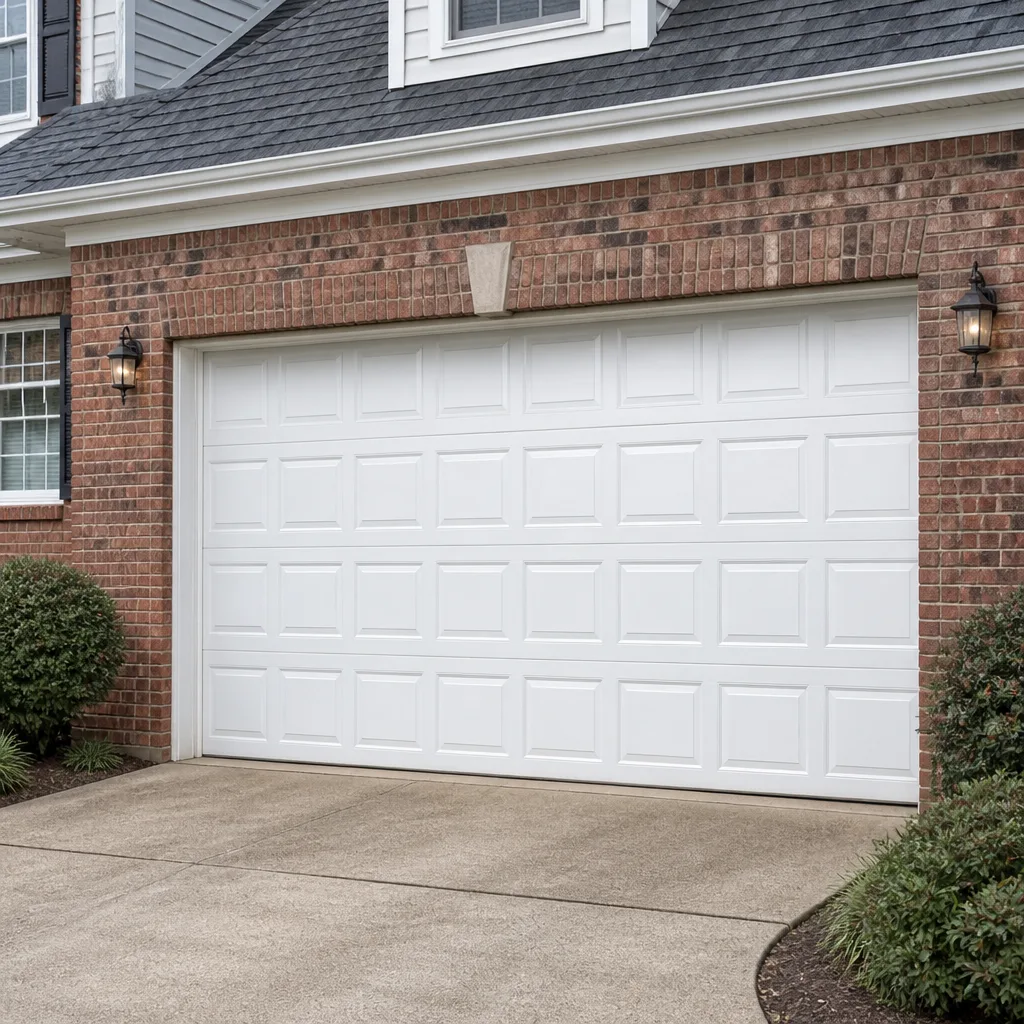 Raised-panel steel
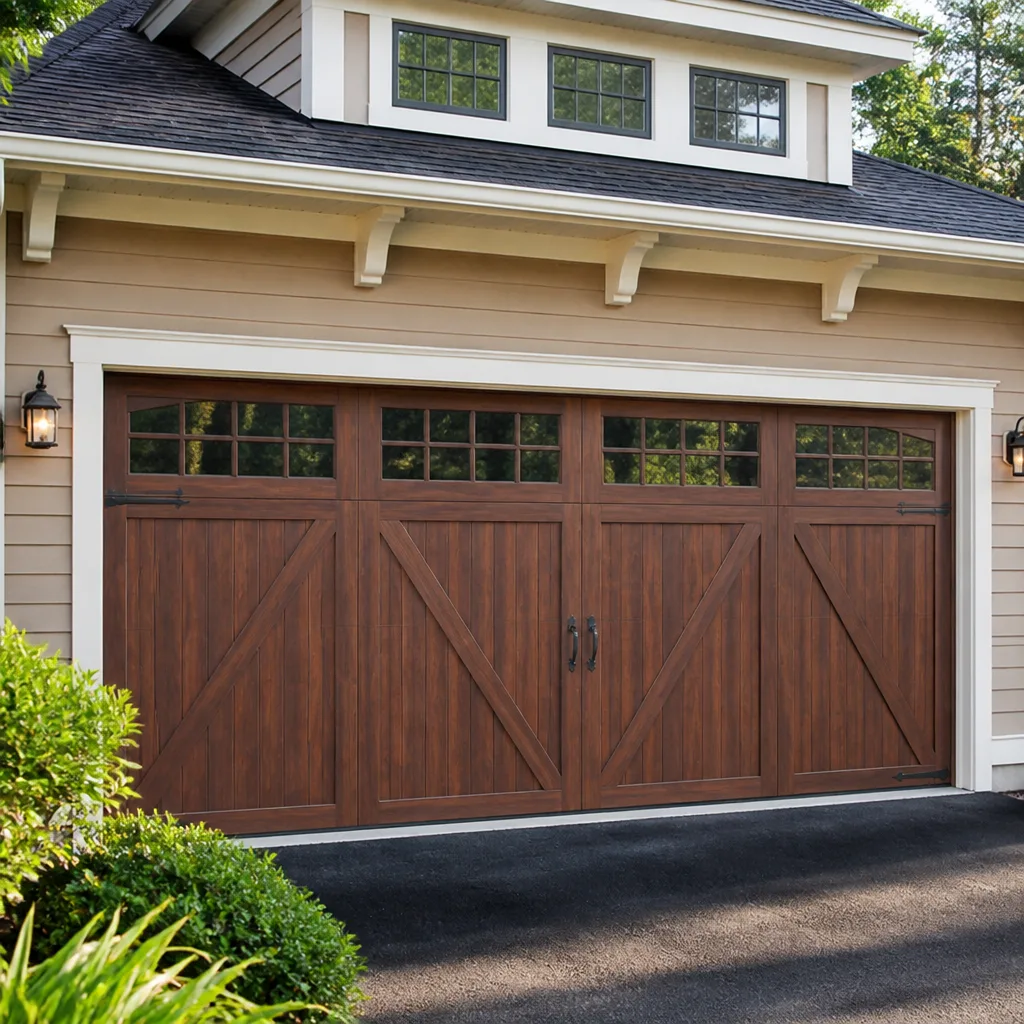 Carriage house
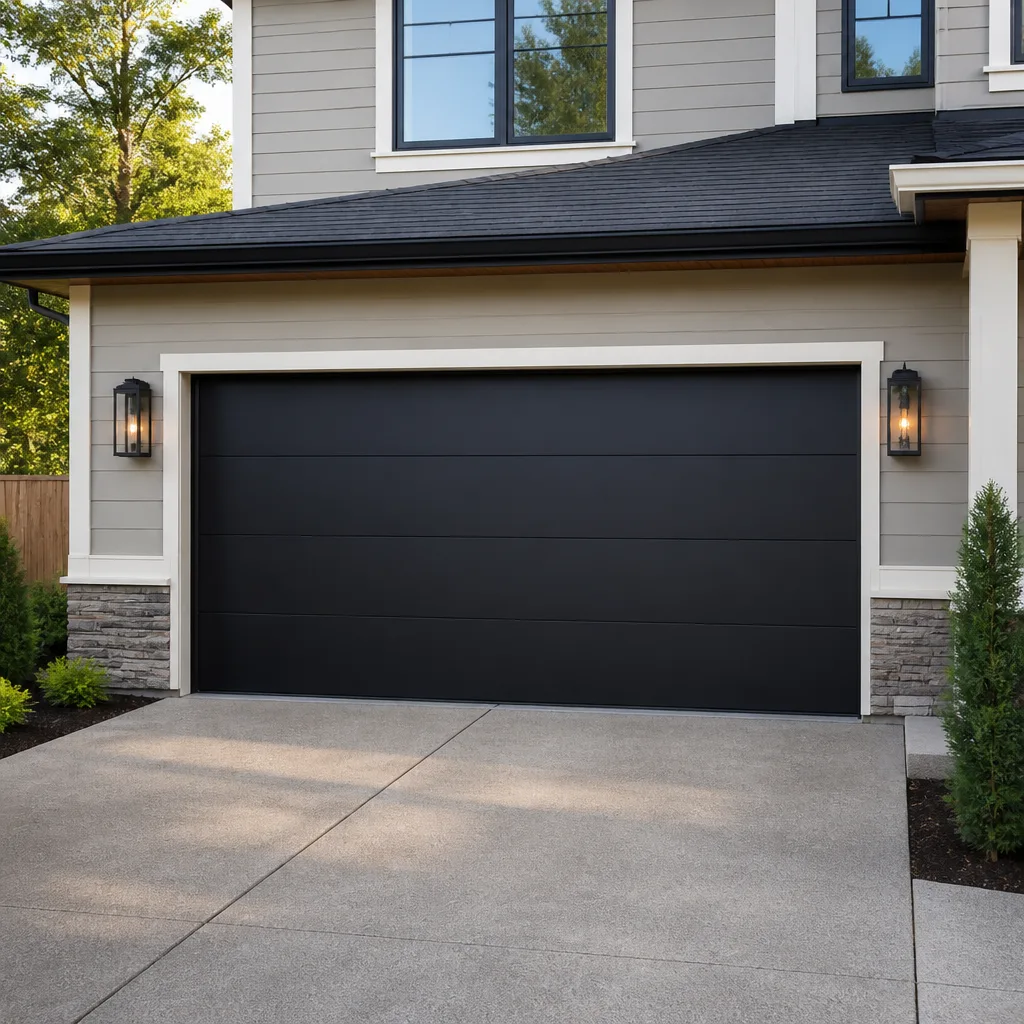 Modern flush
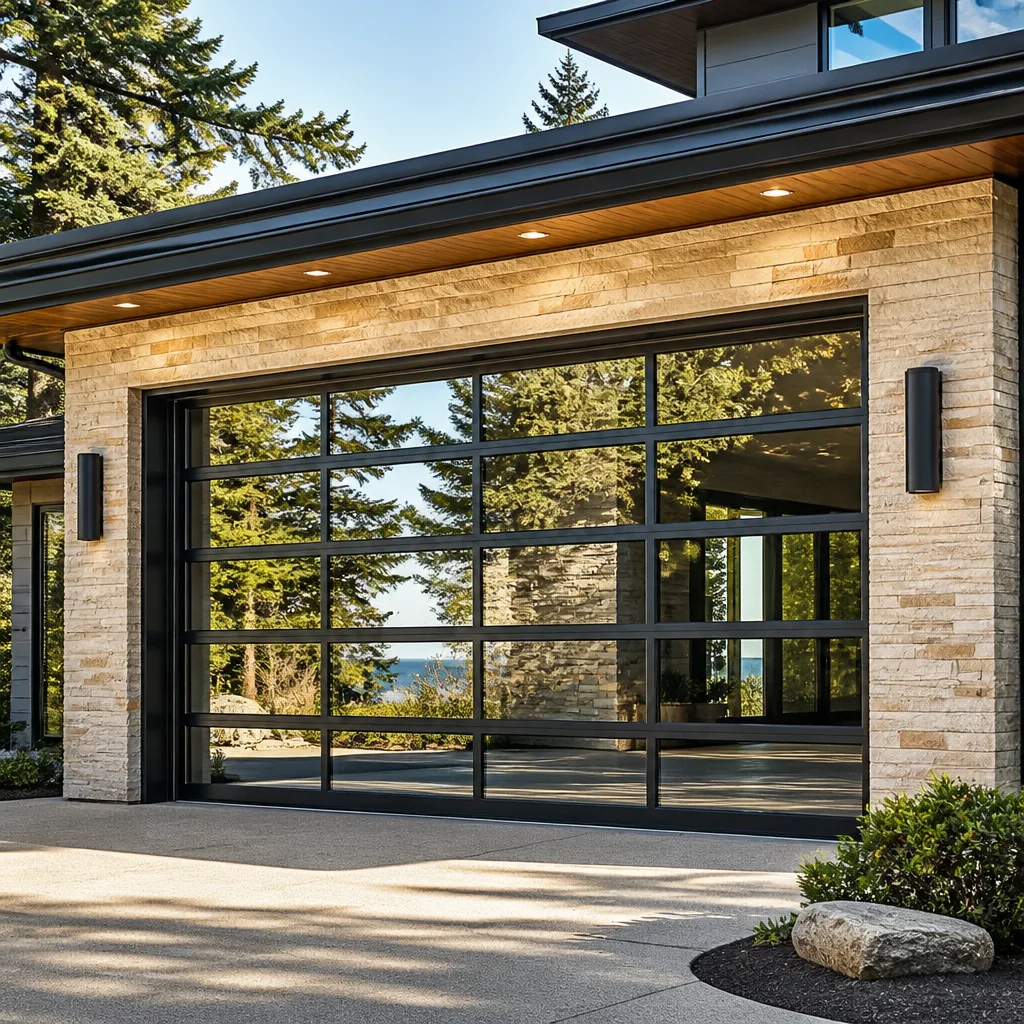 Full-view glass
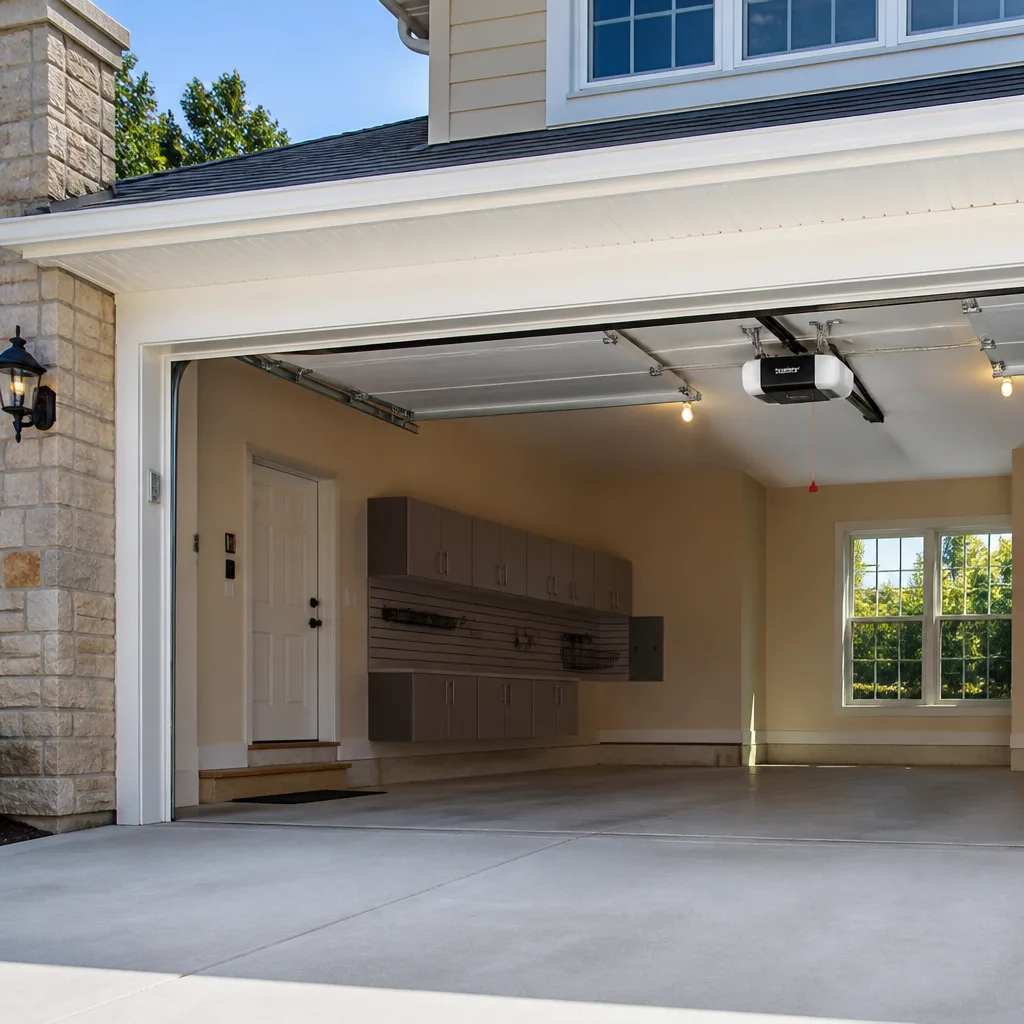 LiftMaster openers
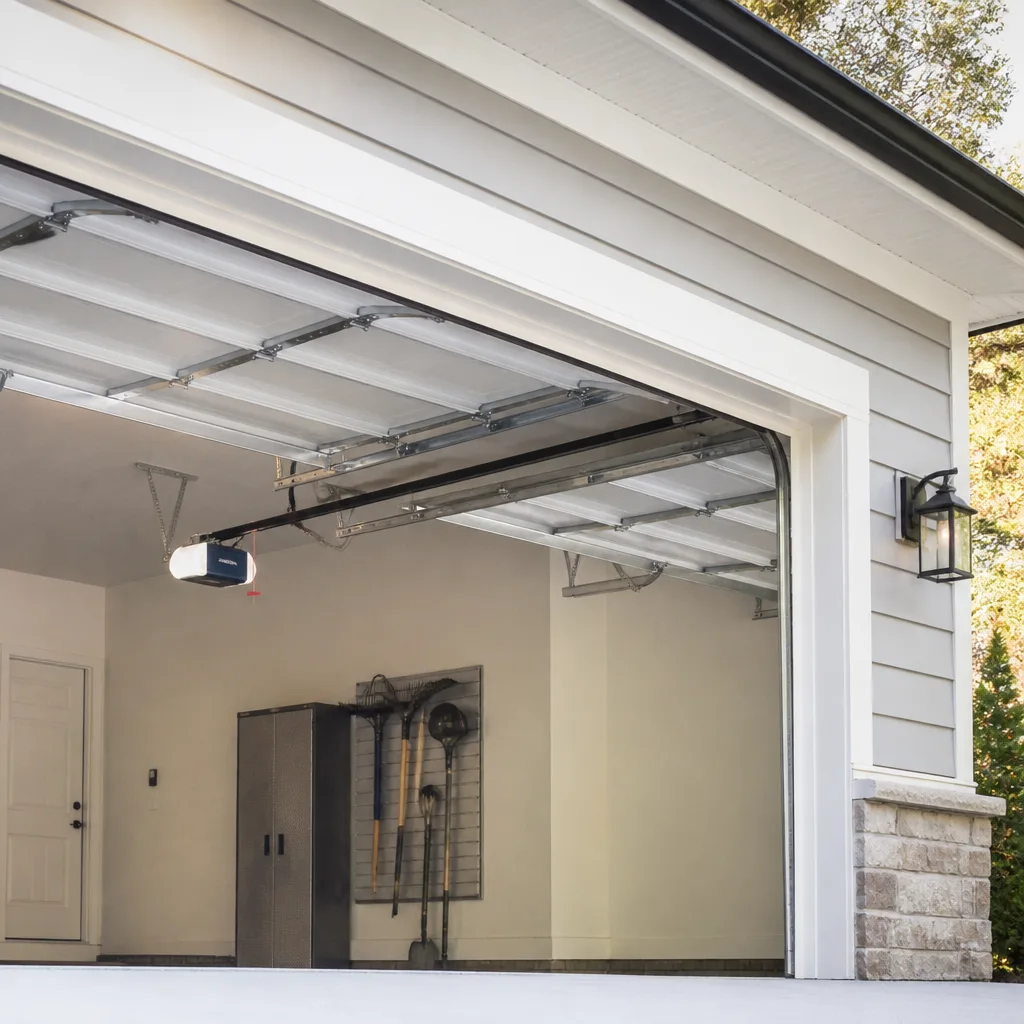 Chamberlain openers
Full 25-point door and opener safety check with every visit - springs, cables, rollers, tracks, and your LiftMaster or Chamberlain opener included
You get a price before we start. It does not change when the pro arrives.
Get your free estimateGarage Door Cost Breakdown: The Chevy Chase Homeowner’s Reference for 2026
The most common garage door cost mistake in Chevy Chase has nothing to do with overpaying for a repair. It’s approving a full replacement quote when a spring-and-cable service would have solved the problem outright. The price gap between those two paths is enormous, and the pressure to take the bigger one is real. Most homeowners can’t tell a fair repair quote from a padded replacement pitch because nobody ever explained what actually drives the number. This reference does exactly that: it breaks cost down to the component level, so you can read a Chevy Chase garage door quote line by line and know which parts are doing the work, which are markup, and which are negotiable.
Quick Answer
Typical garage door repair work in Chevy Chase runs about $125 to $450 depending on the component, a single torsion spring replacement typically costs $180 to $340, and a matched pair runs roughly double that because both springs are almost always replaced together. A new opener installed ranges from about $350 to $900 by drive type, and full door replacement generally lands between $1,200 and $3,500 depending on material and size. Those are estimates only. The written quote you receive before any work starts is the actual price.
Styles & brands we work with
- Raised-panel steel
- Carriage house
- Modern flush
- Full-view glass
- LiftMaster openers
- Chamberlain openers
Table of Contents
- What Actually Drives a Garage Door Quote?
- Spring Replacement: Why One Job Is $180 and Another Is $340
- Opener Pricing by Drive Type and What Service Life to Expect
- Panel Replacement vs. Full Door Replacement: Doing the Math
- Labor Rates in the DC Metro Market for 2026
- How to Read a Quote: Markup vs. Diagnostic Value
- What the Chevy Chase Climate Does to Your Door
- Emergency Work: What Legitimate Pricing Looks Like
What Actually Drives a Garage Door Quote?
A garage door quote is built from four moving parts: the price of the component itself, the labor to get to it and install it, the condition of everything attached to it, and the access the technician has once they arrive. Most homeowners only ever see the first number. The other three are where quotes for the same repair diverge, and they’re the reason two neighbors in Chevy Chase can get a spring replacement at very different prices without either one being ripped off.
Here’s how each driver works in practice:
- Component cost. Springs, cables, rollers, hinges and openers all have a real wholesale range. A standard torsion spring and a heavy-gauge one sized for a double-wide insulated door are not the same part and do not cost the same.
- Labor time. Swapping four rollers takes minutes. Replacing a torsion spring assembly, resetting cable tension and balancing the door takes meaningfully longer, and the labor is where trained-technician work earns its price.
- Condition of the system. A spring replacement on a door with rusted cables and worn end plates rarely stays a spring-only job. Fixing one part while ignoring a failing neighbor is how a cheap repair becomes an expensive return visit.
- Access. A clear two-car garage with a standard-height ceiling is a straightforward job. Low headroom, a tight side clearance, or a door that’s been boxed in by shelving slows everything down.
When you read a Chevy Chase garage door quote, check whether it names the component and the labor separately. A single lump sum with no breakdown tells you nothing about which of these four drivers is pushing the number up. We’d rather you understood the reasoning than just accepted the total.
Spring Replacement: Why One Job Is $180 and Another Is $340
That pricing band you see everywhere, “springs cost $150 to $350,” is technically true and completely unhelpful. The real cost of a torsion spring replacement lives in three physical measurements, and once you understand them you can predict where your own job will land before anyone quotes you.
The Three Numbers That Set Spring Price
Every torsion spring is spec’d by wire diameter, spring length, and its IPPT rating, which is the inch-pounds-per-turn of torque the spring delivers. Those three specs come directly from the weight of your door. A light single-car door with a thin-gauge panel needs a lighter spring; a heavy insulated double door with a Clopay or Amarr steel panel needs a much heavier one. Heavier spring, higher price. That’s the short version.
| Spring Spec | What It Means | Price Effect |
|---|---|---|
| Wire diameter | Thickness of the spring wire, set by door weight | Thicker wire costs more |
| Spring length | Overall coiled length, matched to the door’s lift force | Longer springs cost more |
| IPPT rating | Inch-pounds of torque per turn | Higher rating for heavier doors |
| Number of springs | Most double-wide doors use a matched pair | Pair runs roughly double a single |
Why a Pair Is Almost Always Replaced Together
When one spring of a matched pair breaks, the other has usually lived the same number of cycles under the same load. Replacing one and leaving its twin means a second service call on the near horizon. We explain this at the estimate stage so you can decide with the full picture in front of you. A single spring replacement typically runs $180 to $340; a matched pair runs roughly double. If a quote bundles the pair into one number that looks like a single-spring price, ask which it is before approving.
The Safety Line
Torsion and extension springs are under serious tension, and a mistake during removal or installation can cause severe injury. This is trained-technician work, not a homeowner project. That’s also why the labor portion of a spring quote isn’t padding: it’s the part of the price that keeps the job safe.
Opener Pricing by Drive Type and What Service Life to Expect
Opener cost tracks almost perfectly to drive type. A basic chain-drive unit costs less than a belt-drive, which costs less than a smart-enabled DC motor system, and each tier buys you a different noise level and service life. Here’s the honest breakdown, using typical installed estimates.
| Drive Type | Typical Installed Estimate | Service Life Expectation | Best Fit |
|---|---|---|---|
| Chain drive | $350 to $550 | Long-lived, functional, loud | Detached garages, budget builds |
| Belt drive | $450 to $700 | Quiet, smooth, solid lifespan | Garages under or beside living space |
| Screw drive | $400 to $650 | Dependable, moderate noise | Heavier doors, steady use |
| DC motor smart-drive | $600 to $900 | Quietest, app/remote features, good lifespan | Wi-Fi-enabled LiftMaster setups |
Brand Matters Less Than the Platform
A LiftMaster and a Chamberlain unit at the same price tier are more alike than different. A Genie belt-drive and a Craftsman belt-drive share the same mechanical logic. What actually matters is whether your opener matches your door’s weight and whether the safety reverse and photo-eye are functioning. We work across all the major platforms, and our instinct is always to weigh repair against replacement first. A dead opener often needs a capacitor, a gear, or a logic board rather than a whole new unit.
The Replacement Question
Openers have a real service life, and when a unit is genuinely at the end of it, replacement is the better value than a third repair in as many years. But that decision should come from diagnosis, not from a default “it’s old, replace it” pitch. If a technician recommends a new opener before testing the existing one, ask what failed and why a specific part can’t be swapped.
Panel Replacement vs. Full Door Replacement: Doing the Math
This is where Chevy Chase homeowners most often approve a bigger job than they needed. A single dented or cracked panel is a part, not a whole door. The math to decide between them is simple arithmetic, and you should run it before you sign anything.
The Rule of Thumb
If the panel you need is still manufactured and the repair plus labor totals less than about half the cost of a new door installed, replace the panel. If the section is discontinued, mismatched with the rest of the door’s color or profile, or the damage has bent the track and hinges that hold the door square, the door math starts to tilt toward replacement. Here’s the step-by-step:
- Get the panel price and the installed price for the same door model.
- Add labor for the panel swap to the panel cost.
- Compare that total to roughly half the new-door installed price.
- Check whether the panel is still available in your model and finish.
- Inspect the track, hinges, and bottom section for related damage.
- Decide based on the total picture, not the dent alone.
A Wayne Dalton or Amarr door with a discontinued section is a common case where a single-panel match becomes hard, and where the honest answer might genuinely be replacement. A Clopay panel that’s still in production is usually a clean, cheaper fix. The point is that neither answer should be automatic.
Labor Rates in the DC Metro Market for 2026
Labor in the DC metro runs higher than most of the country, and Chevy Chase garage door pricing reflects that. You’re paying for a trained technician’s time, travel in dense traffic, and the tools and safety equipment a proper spring or opener job requires. That’s the honest context behind the labor line on your quote.
What you should expect to see in 2026:
- Standard repair labor built into the component quote, roughly $75 to $160 per job depending on complexity and time on site.
- Diagnostic and adjustment labor for a door that’s binding, off-track, or not reversing properly, priced by the time and parts the fix requires.
- Opener installation labor usually bundled into the installed price shown earlier, not billed separately unless the job needs new wiring or a mounting change.
Emergency and Same-Day Premiums
Garage door work doesn’t inherently cost more because a spring broke on a bad day. A legitimate quote should reflect the job, not the calendar. If a company quotes a markedly higher number the same afternoon you call versus a written estimate a day later, ask what specifically changed. Our position is straightforward: the price is quoted and agreed before any work begins, and the written estimate sets the final total. We answer 24/7 to take your call, and fast dispatch from 7am to 7pm Sunday through Friday gets a technician to you. A call outside dispatch hours is booked into the next opening, Sunday through Friday, 7am to 7pm. We’re closed Saturday.
How to Read a Quote: Markup vs. Diagnostic Value
A good garage door quote is legible. You should be able to see what part, what labor, and what adjustment each line represents. Here’s how to tell the difference between a line that adds value and one that’s just markup.
Lines That Add Real Value
- Named parts with model or spec (a spring with wire diameter and length, not “spring”).
- Labor broken out or bundled with a stated scope.
- Safety check or balance adjustment after the repair, especially on a spring or opener job.
- Clear statement that the price is quoted and agreed before work begins.
Lines That Are Fair to Question
- Generic “service charge” or “trip fee” with no explanation of what it covers. The estimate should be free.
- Bundled replacement of parts that weren’t discussed, added without your approval.
- Rollers, hinges, or cables quoted individually at high per-unit prices when the set costs less together.
- Any line that pushes replacement before a repair option has been diagnosed and priced.
When a Chevy Chase garage door quote comes in higher than you expected, ask which line is driving it. The answer should be specific. If it isn’t, that’s information too. And if the door still needs a proper look, our garage door repair service starts with a free estimate so you have a real number to compare against.
What the Chevy Chase Climate Does to Your Door
Chevy Chase sits in a humid, four-season climate with cold winters, warm summers, and enough moisture through the year to work on steel, wood and the hardware that holds them together. That’s not a marketing angle, it’s a maintenance reality that shows up in the cost of keeping a door running. The freeze-thaw cycle in winter shrinks and stiffens the seals, and a stiff door loads the spring and opener harder. Summer humidity rusts bare cables and eats at the hinges on a door that hasn’t been lubricated.
What that means for your wallet: a door in a Chevy Chase garage that gets an annual balance-and-lube check tends to stay in the cheaper bands on the repair tables above. A door that never gets checked tends to hit the higher end because a single worn part has dragged its neighbors down with it. The climate doesn’t create surprise line items. It just makes neglected ones more expensive over time.
What to Check Each Season
- Run the door up and down and listen for grinding or a change in speed.
- Check the photo-eye alignment and the safety reverse by hand-testing the door’s stop.
- Look at the springs for visible gaps or rust streaks.
- Lubricate the hinges, rollers and track with a garage-door-rated lubricant.
- Book a professional balance and tension check if anything feels off.
Emergency Work: What Legitimate Pricing Looks Like
When a spring snaps or an opener dies, the door can’t wait a week. Emergency service is a genuine need, and we treat it that way rather than as a premium tier. The same standard applies to an urgent call as to a scheduled one: the technician diagnoses the failure, quotes the job in writing, and agrees the price before touching anything.
For an urgent Chevy Chase garage door issue, here’s how the call should go:
- Call (855) 684-8076. We answer 24/7.
- Describe what failed: broken spring, door off track, opener not responding, door stuck open or closed.
- A technician is dispatched, fast dispatch from 7am to 7pm Sunday through Friday.
- The technician diagnoses the root cause before quoting a fix.
- You get a written estimate and approve it before any work begins.
Emergencies we handle regularly include broken torsion springs, doors that have come off their track, and openers that won’t respond. Those are situations where waiting next week isn’t an option, and the same fair-pricing rules apply. If a company treats urgency as a reason to inflate the number, that tells you what you need to know about the company.
Common Mistakes to Avoid
- Approving replacement before a repair is priced. A spring-and-cable fix often resolves what looks like a dying door. Get the repair cost in writing before you let anyone talk you into a new door.
- Reading a single-spring price as a pair price. Most double-wide doors are sprung in pairs, and the pair runs roughly twice a single. If the quote doesn’t say which, ask.
- Ignoring whether the panel is still made. A discontinued Wayne Dalton or Amarr section can force replacement, while an in-production Clopay panel is usually a clean, cheaper fix. Check availability before deciding.
- Skipping the written estimate. Any job where the price is quoted and agreed before work starts protects you. A verbal number with no paperwork doesn’t.
- Assuming the brand dictates the outcome. A Craftsman opener and a LiftMaster at the same tier are close. The repair decision should follow diagnosis, not the label on the housing.
- Letting one repair hide a failing neighbor. Fixing a broken spring while ignoring rusted cables or worn hinges is how a cheap job turns into a return visit.
- Never lubricating or balancing the door. In a humid climate, unmaintained hinges and cables quietly push the next repair into a higher price band.
See the difference
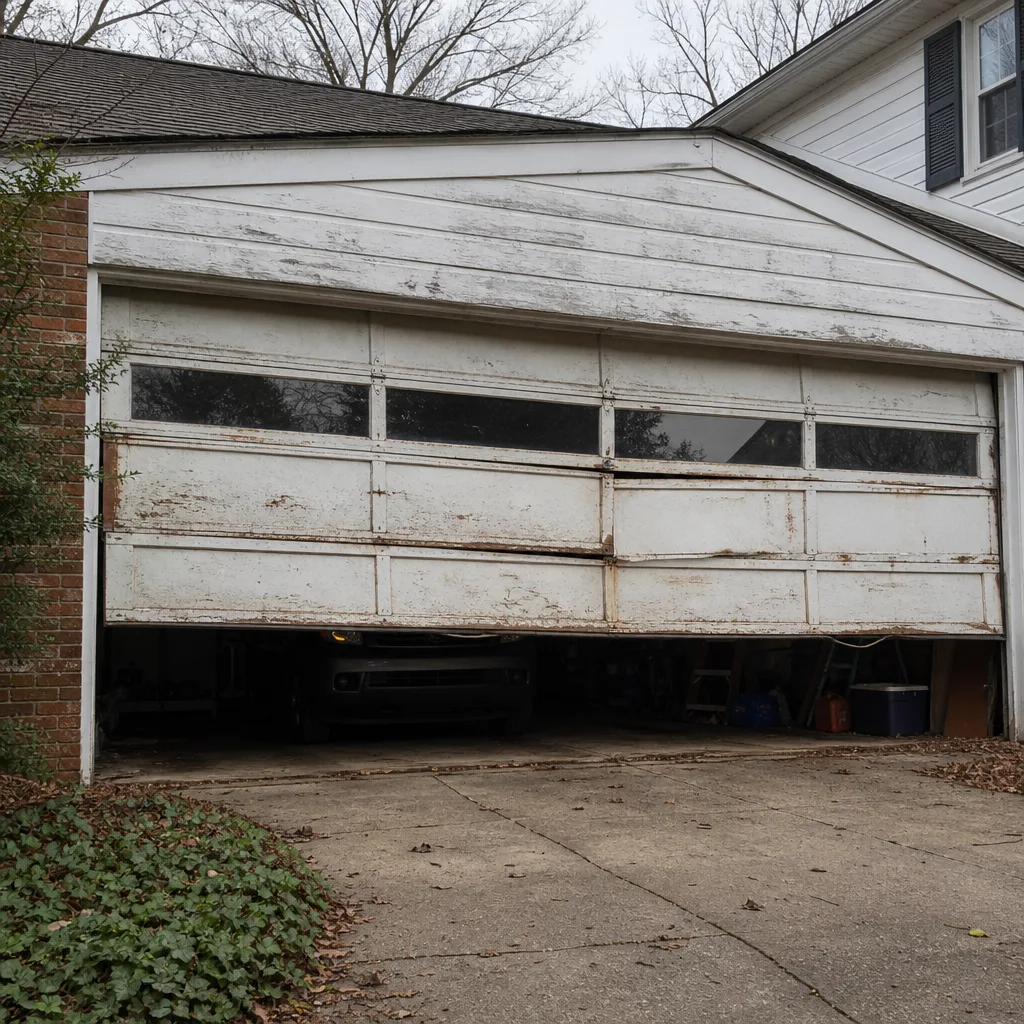 Before
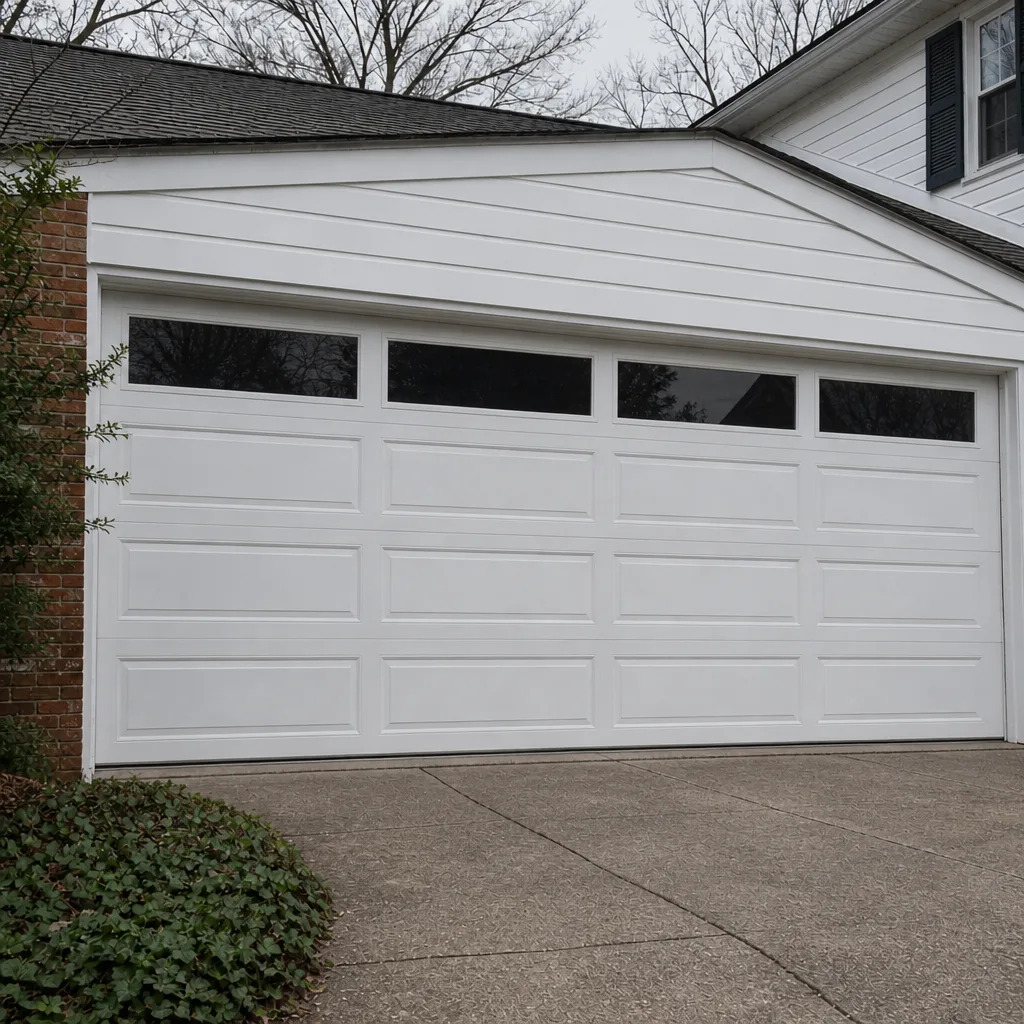 After
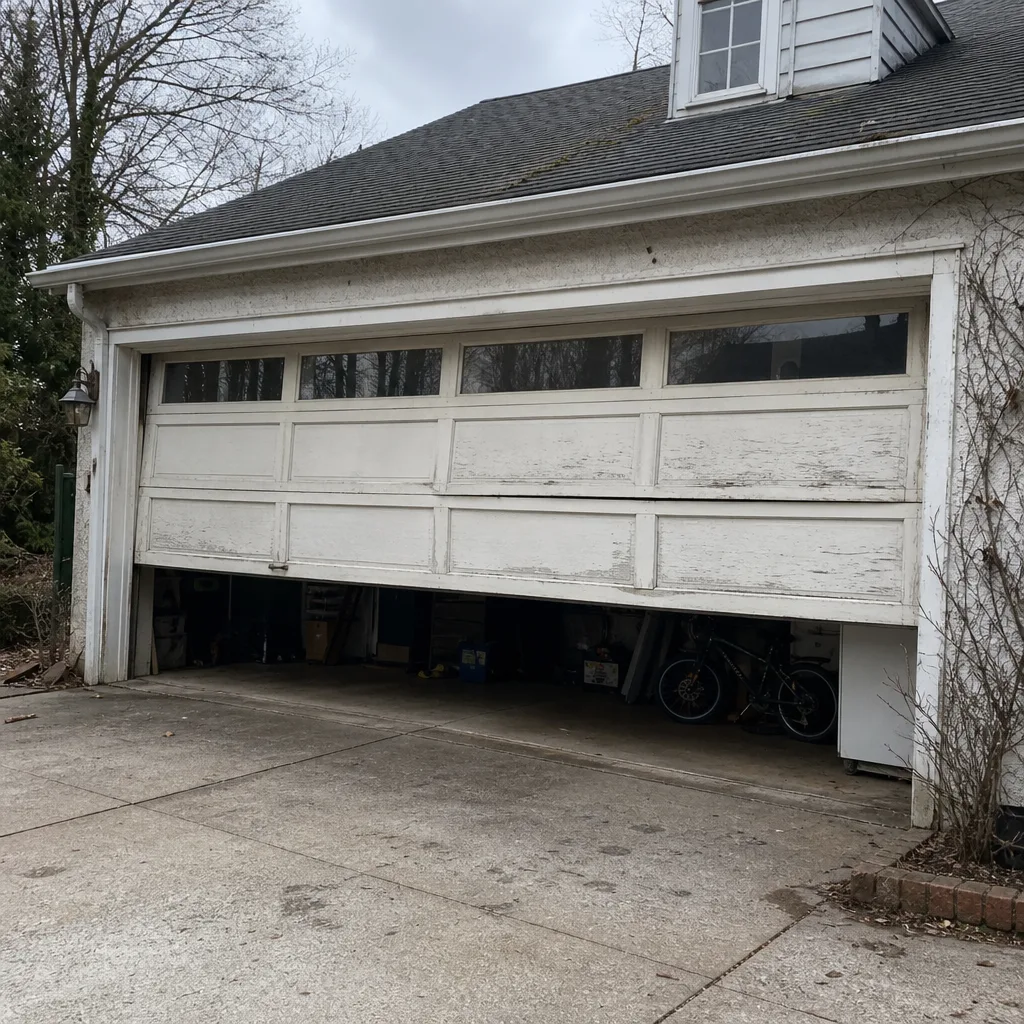 Before
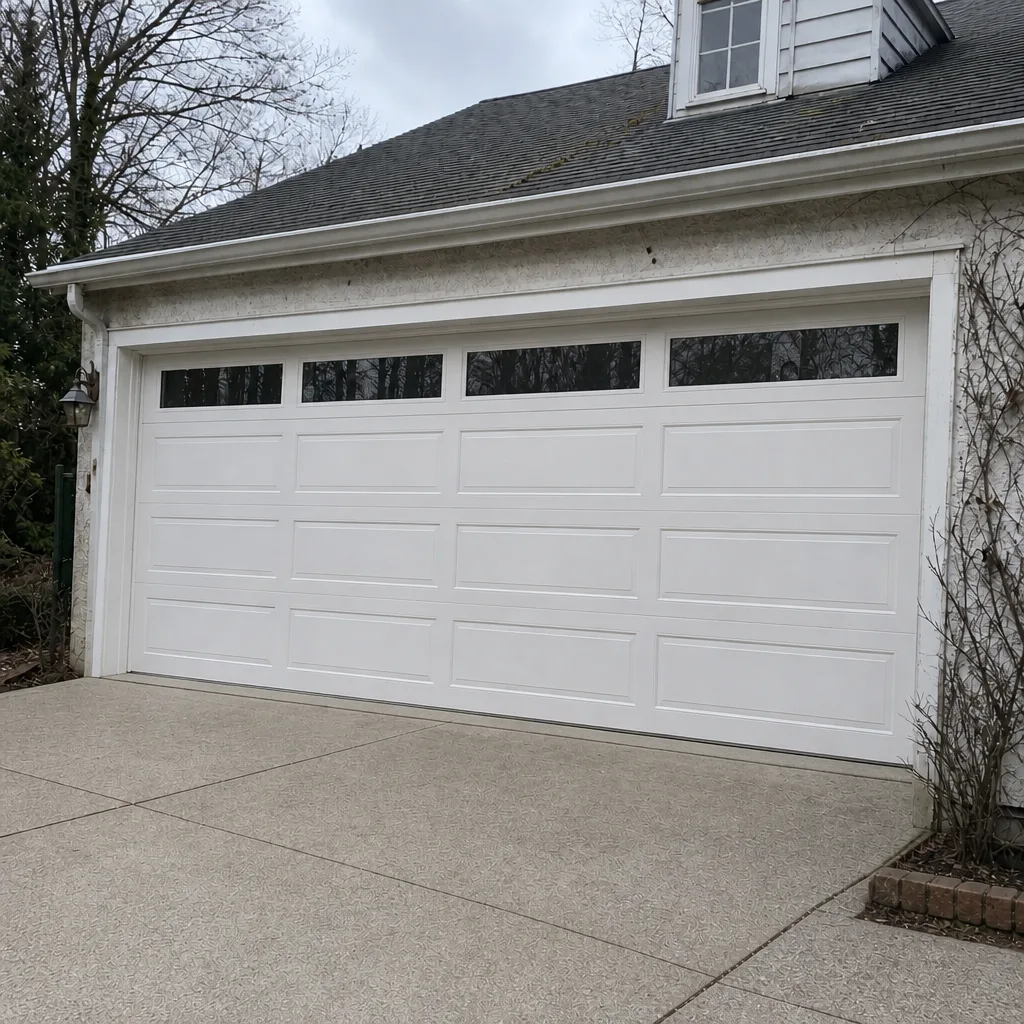 After
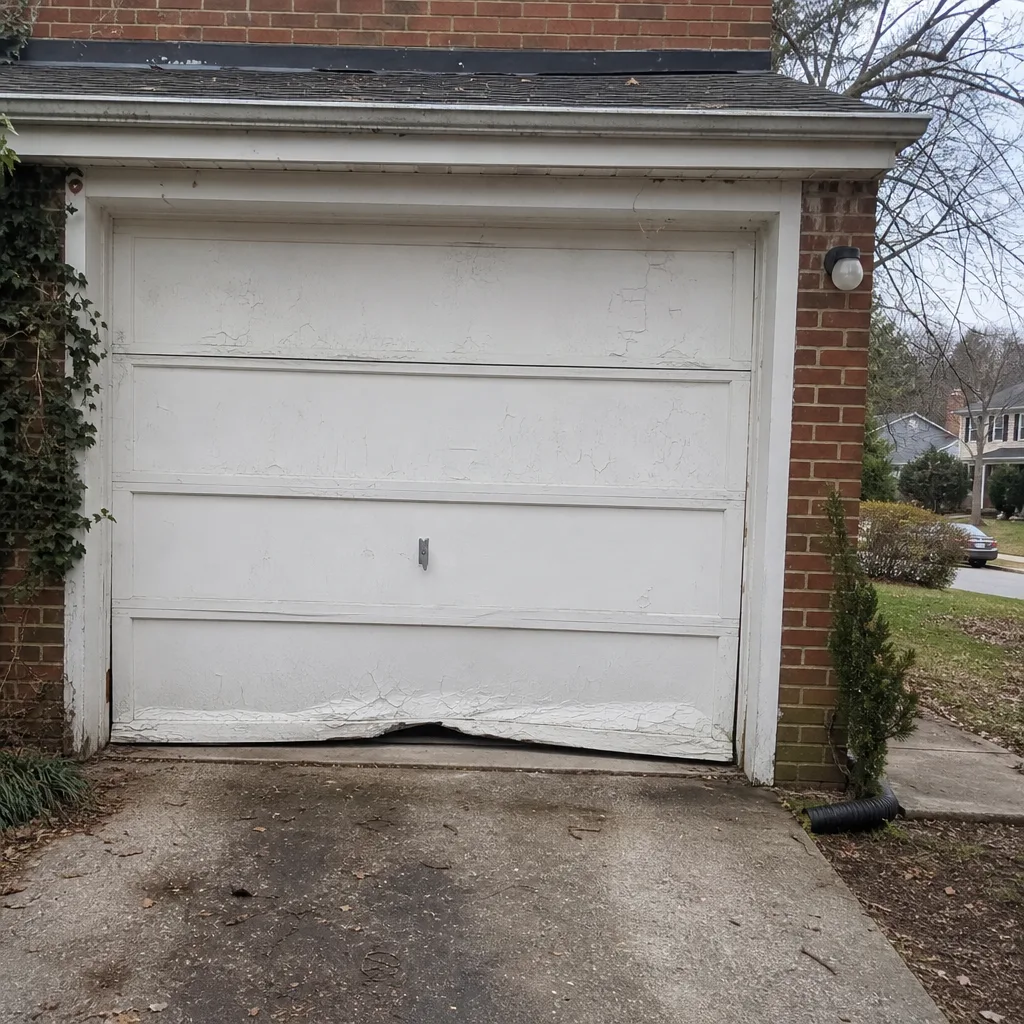 Before
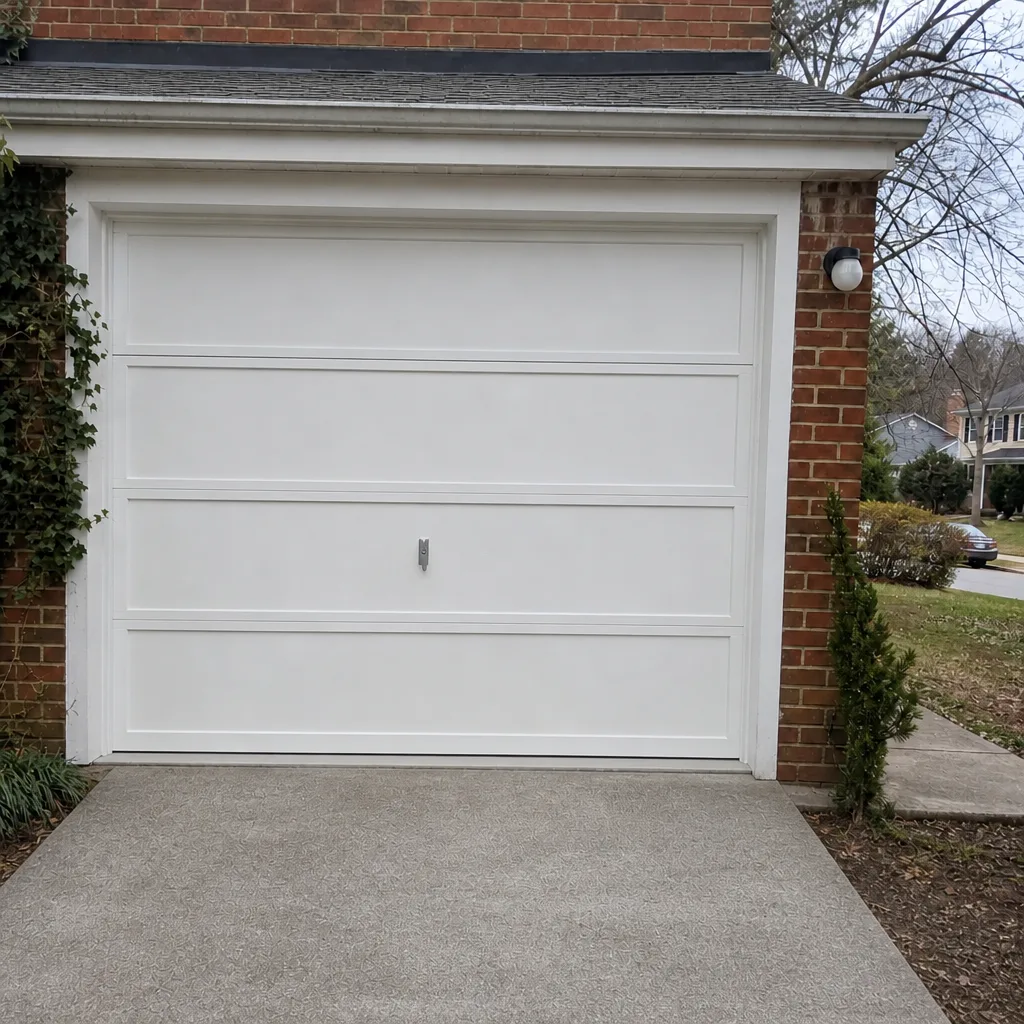 After
When to Call a Professional
Some costs are predictable, some aren’t. Call a professional when the door won’t reverse on a hand test, when a spring has visibly failed, when the door is off its track, or when an opener behaves erratically. These are the situations where a DIY attempt risks personal injury and where a trained technician’s diagnosis saves money in the end. Our technicians have up to 15 years of experience with the major residential brands, so we can spot the difference between a $180 fix and a full replacement without guessing.
Chevy Chase Garage Door Repair offers free estimates in Chevy Chase. Call (855) 684-8076. We answer 24/7, and fast dispatch runs from 7am to 7pm, Sunday through Friday. If you’re comparing options, our garage door opener repair and garage door installation pages break down those parts of the job further.
Frequently Asked Questions
Typical garage door repair in Chevy Chase runs about $125 to $450 depending on the component, with single torsion spring replacement around $180 to $340 and a matched pair roughly double. The written estimate sets the final price before any work starts. Call (855) 684-8076 for an exact quote; estimates are free.
No. The price is quoted and agreed before any work begins, and the written estimate is what you pay. If the technician finds a related issue during diagnosis, that gets priced separately and you decide whether to approve it. Call (855) 684-8076 for a free estimate.
Repairing a single panel is usually cheaper when the section is still manufactured and the track and hinges are sound. Replacing the whole door starts to make sense when the panel is discontinued or related damage has bent the track. Run the half-the-new-door rule before deciding, and call (855) 684-8076 for a free estimate.
A legitimate quote reflects the job, not the hour it’s called. Our written estimate is agreed before work starts, and we don’t add a premium just because a spring snapped on a difficult day. Call (855) 684-8076. We answer 24/7, and fast dispatch runs 7am to 7pm, Sunday through Friday.
Belt and DC motor smart-drive openers tend to last longer and run quieter than basic chain drives, so the extra cost is usually justified in a garage beneath or beside living space. The right pick depends on your door’s weight and how much noise matters in your home. Diagnose before replacing: an opener that stalls may only need a part. Call (855) 684-8076 for a free estimate.
Yes, same-day repair is often possible for emergencies like broken springs and non-responsive openers. Call (855) 684-8076. We answer 24/7, and fast dispatch runs from 7am to 7pm, Sunday through Friday. A call outside dispatch hours is booked into the next opening, Sunday through Friday, 7am to 7pm.
The Bottom Line
Cost guides fail homeowners when they stop at a range. The real question isn’t what a spring costs, it’s what your spring costs and why. Wire diameter, length and IPPT rating set the number, and the condition of the parts around it can push a repair into a different price band. The same logic applies to your opener, your panels, and your labor line. Read a Chevy Chase garage door quote by the component, insist on a written estimate before work starts, and treat replacement as a decision that follows diagnosis, not a default. If you’d rather have a technician look at your door and give you a real number, call Chevy Chase Garage Door Repair at (855) 684-8076 for a free estimate.
Written by the team at Chevy Chase Garage Door Repair.