
Last updated November 21, 2026
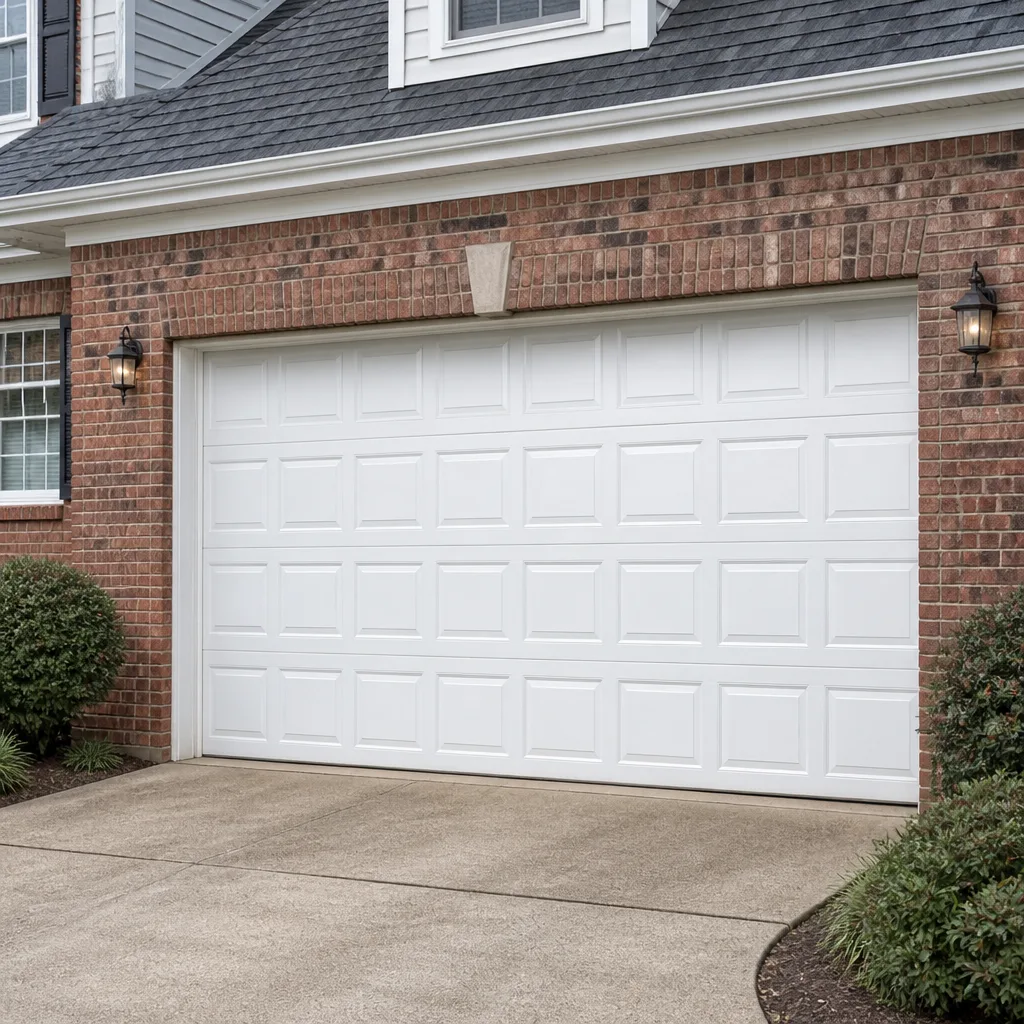 Raised-panel steel
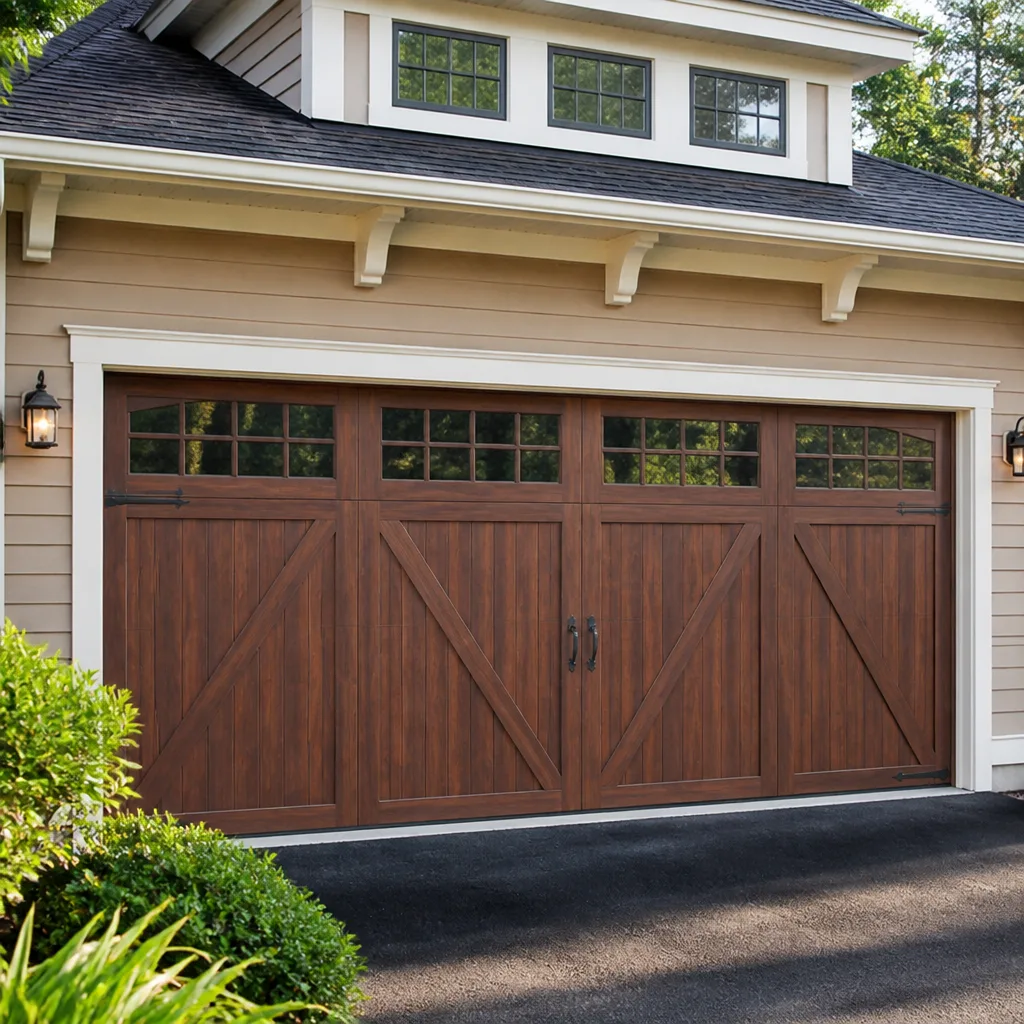 Carriage house
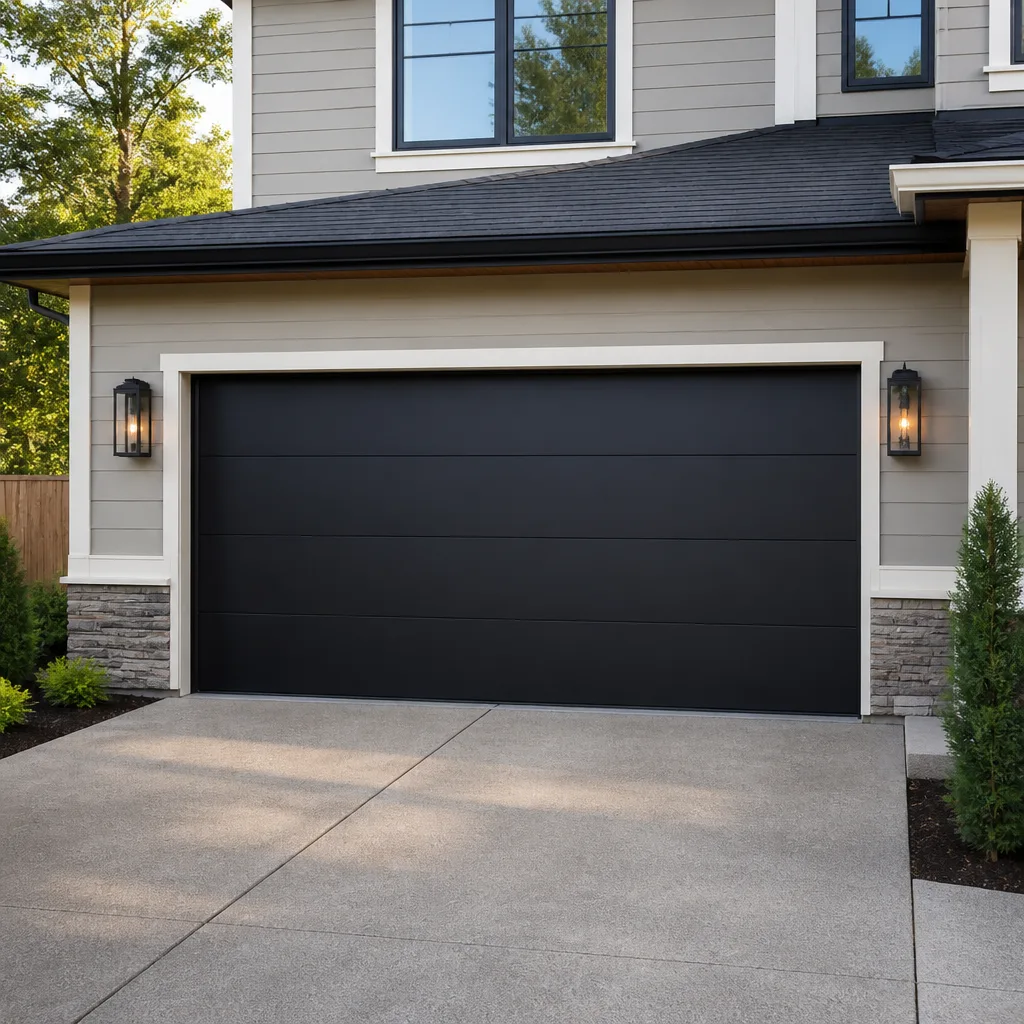 Modern flush
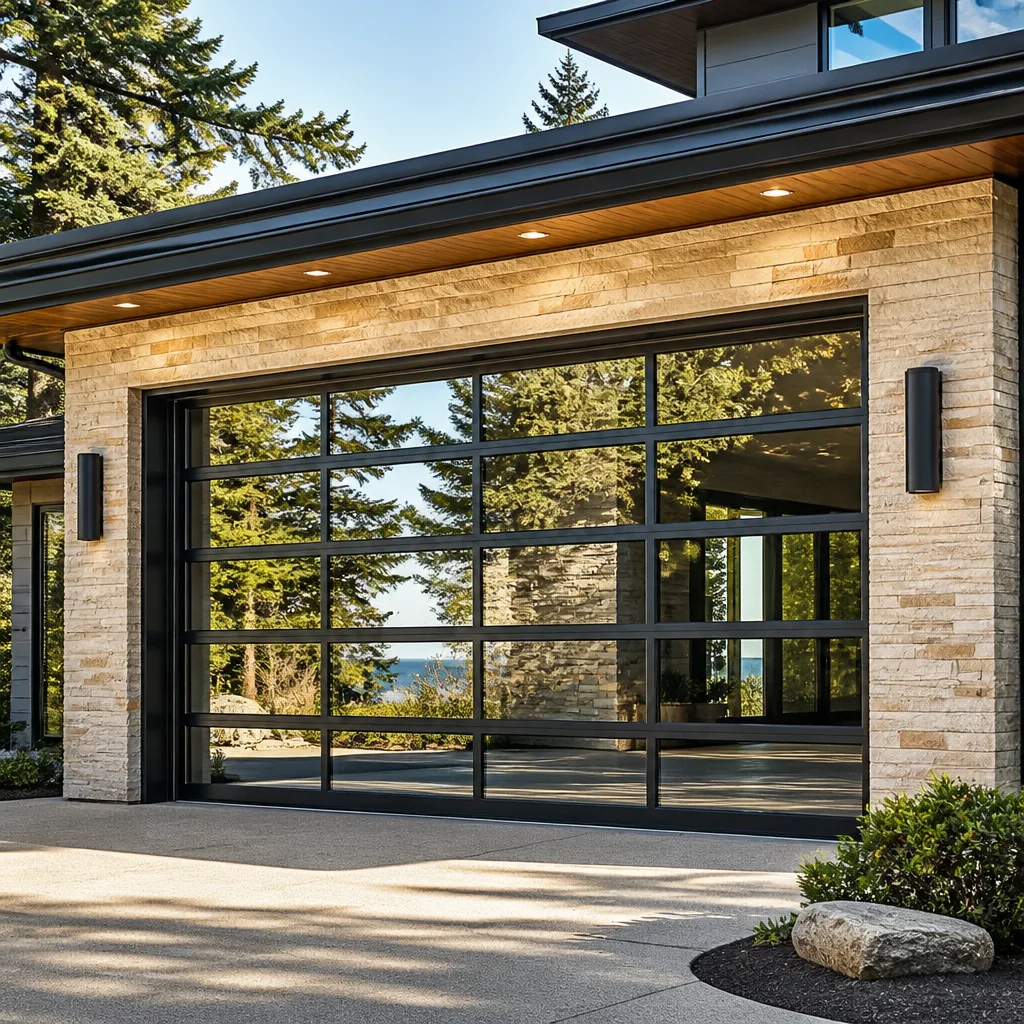 Full-view glass
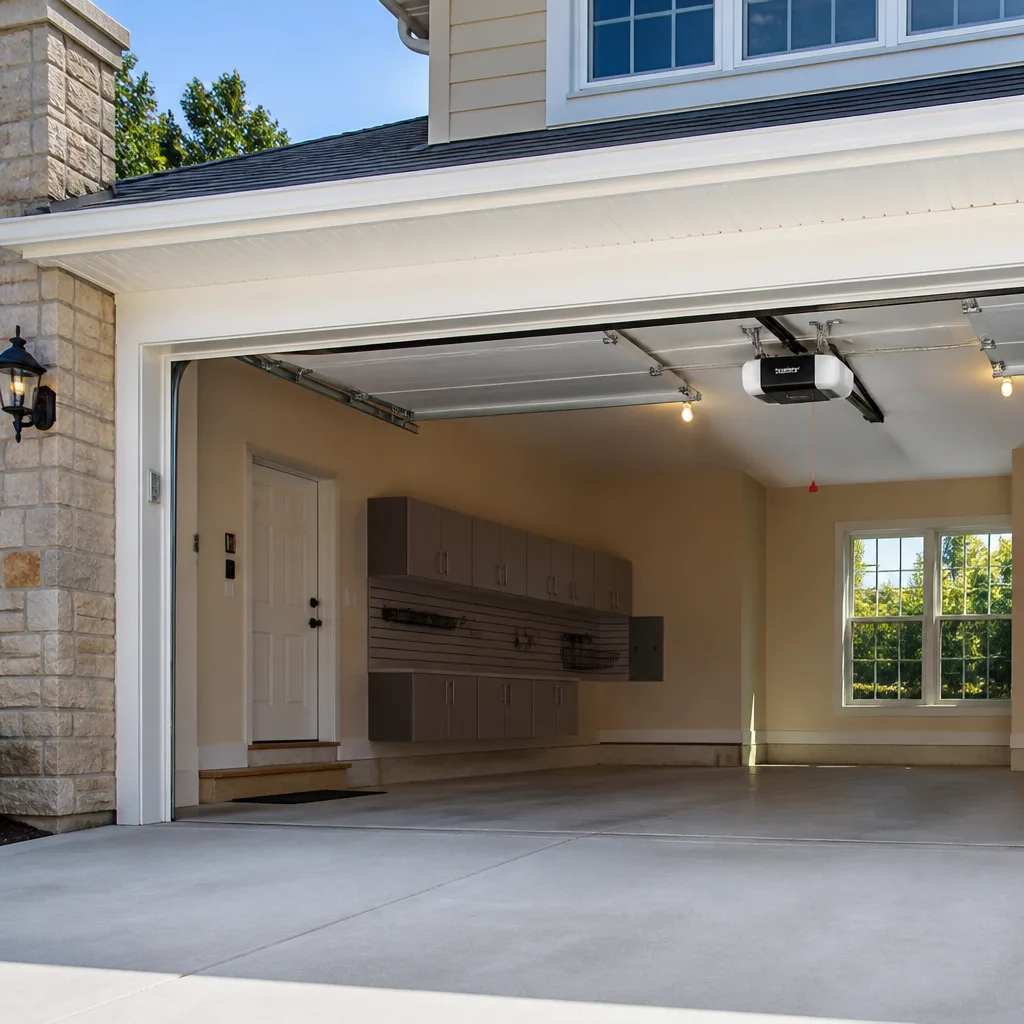 LiftMaster openers
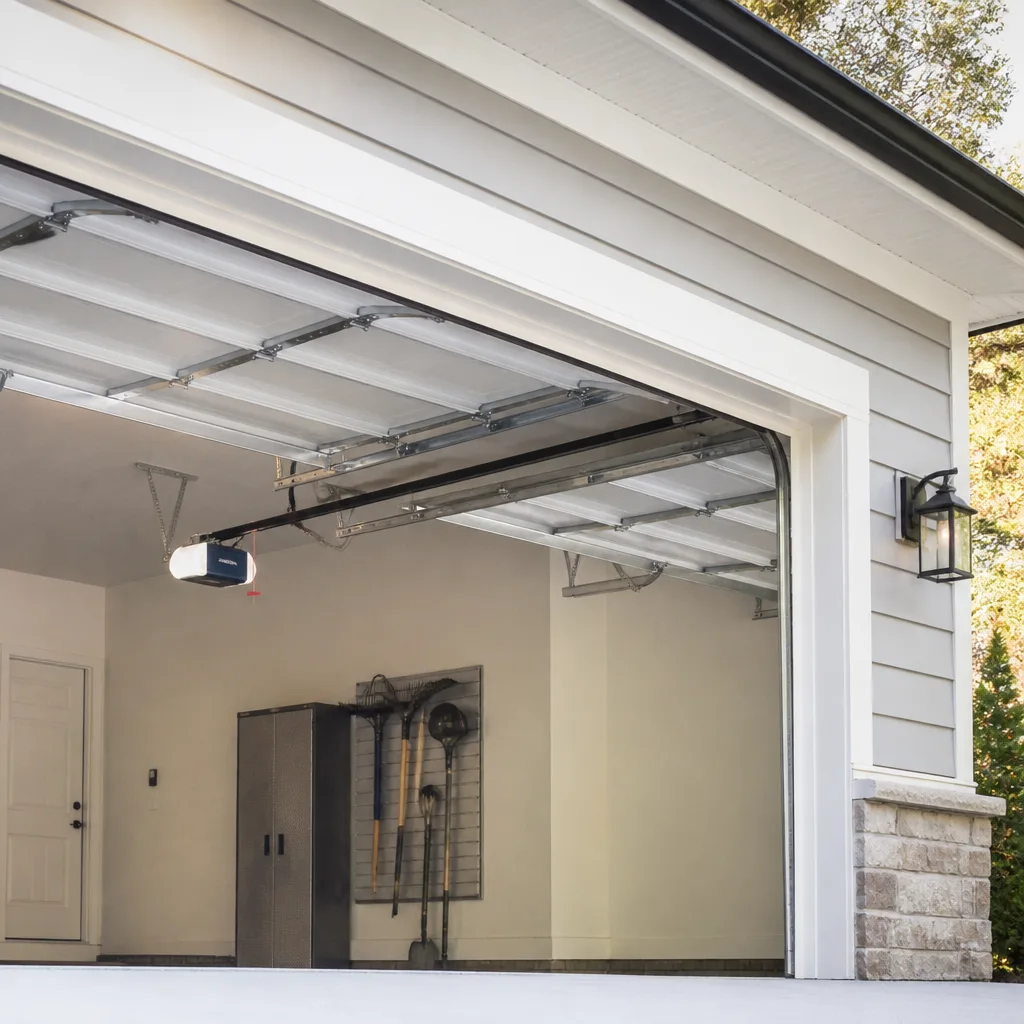 Chamberlain openers
Full 25-point door and opener safety check with every visit - springs, cables, rollers, tracks, and your LiftMaster or Chamberlain opener included
You get a price before we start. It does not change when the pro arrives.
Get your free estimateGarage Door Permits, Codes & Inspections in Chevy Chase, DC: What You Need to Know
Here’s the part that catches most people off guard: Chevy Chase isn’t one jurisdiction. The neighborhood name runs across a DC boundary and into Maryland, and the permit rules for garage door work do not follow the name. They follow the property line. A full door replacement on one side of Western Avenue may need a building permit and an inspection; the same job a couple of blocks away may not. Get the jurisdiction wrong and you’re not just dealing with paperwork. If the door is ever part of an insurance claim, an unpermitted installation can complicate the conversation. This guide walks you through how to find out which rules apply to your Chevy Chase address, which projects actually trigger a permit, how historic overlay rules affect what door you can hang, and what inspectors look at when they show up. We’ve helped homeowners sort through this across the neighborhood, and the answers aren’t as obvious as they look.
Quick Answer
In Chevy Chase, DC, a full garage door replacement usually requires a building permit from the DC Department of Buildings (formerly DCRA), while spring replacement and opener repair generally do not. The same job in Chevy Chase, Maryland falls under Montgomery County permitting rules, which can differ. Before any installation, confirm your jurisdiction and check whether your block sits in a historic district, because overlay rules can dictate door materials and panel profiles. When in doubt, ask your city or county building department directly – they’ll tell you what your address requires.
Styles & brands we work with
- Raised-panel steel
- Carriage house
- Modern flush
- Full-view glass
- LiftMaster openers
- Chamberlain openers
Table of Contents
- Which Jurisdiction Applies to Your Chevy Chase Address?
- Which Garage Door Projects Require a Permit?
- Historic District Overlay Rules and Your Door
- What a Code-Compliant Installation Inspection Covers
- Pulling the Permit Yourself vs. Having a Contractor Carry It
- Safety Reverse, Springs, and the Parts That Aren’t a DIY Job
- Brand and Model Considerations for Chevy Chase Homes
- Common Mistakes to Avoid
Which Jurisdiction Applies to Your Chevy Chase Address?
The single most important step before you buy a door or schedule an install is figuring out who has authority over your property. Chevy Chase, DC is its own jurisdiction under the District government. Chevy Chase, Maryland is unincorporated Montgomery County territory, and permitting runs through the county. The boundary between them isn’t always intuitive, especially on streets that cross the line.
Here’s how to sort it out:
- Check your tax bill or deed. The top of your property tax statement will name the taxing authority – District of Columbia or Montgomery County. That answers the question immediately.
- Look at your address format. DC addresses in Chevy Chase typically end in NW. Maryland addresses use ZIP codes starting with 20815 or similar and may specify Chevy Chase, MD.
- Call the building department. DC’s Department of Buildings handles permits for District addresses. Montgomery County’s Department of Permitting Services handles Maryland addresses. A quick phone call with your street address settles it.
- Ask before you order. If you’re working with a contractor, give them the address and let them confirm jurisdiction before any material is ordered. Getting this wrong means starting over.
The distinction matters because the two jurisdictions don’t have identical rules for what triggers a permit, what inspections are required, and how long the process takes. A rule that applies on one side of the line may not apply on the other. If you’re planning a project and want to talk through what’s typical for your address, our team handles this kind of question regularly – reach out through Chevy Chase Garage Door Repair and we’ll help you sort out which department you need to call.
Which Garage Door Projects Require a Permit?
Not every garage door job needs a permit, and knowing the difference saves time and money. The general rule across both jurisdictions is that structural work and full replacements trigger permitting, while maintenance and component swaps usually don’t. Here’s how the categories break down.
Projects that typically require a permit
- Full door replacement. Removing an existing door and installing a new one, especially when the opening dimensions or header conditions change, is usually a permitted job. The inspection confirms the installation is structurally sound.
- Changing door size or opening dimensions. If you’re widening or heightening the opening, that’s structural work and almost always requires a permit and inspection.
- Track and hardware replacement that alters structural attachment. Swapping standard tracks for low-headroom or high-lift configurations that change how the door attaches to the structure can trigger a permit review.
- Adding a new garage door to an existing opening where none existed, or converting a carport to an enclosed garage.
- Header or framing modifications. Any change to the structural opening itself falls under building code review.
Projects that usually don’t require a permit
- Spring replacement. Torsion or extension spring swaps are considered repair, not construction. This is the most common garage door job in Chevy Chase and it’s handled as maintenance.
- Opener replacement or repair. Swapping a LiftMaster, Chamberlain, Genie, or Craftsman unit for a new one is repair work. No permit.
- Panel replacement. Replacing a damaged section of a sectional door is repair, not replacement.
- Roller, cable, hinge, and sensor replacement. Routine component work.
- Weather seal and bottom seal replacement. Maintenance.
Thresholds vary, and there are edge cases – a door replacement that reuses the existing track and header may be treated differently than one that doesn’t. If you’re unsure whether your job crosses the line, call the building department with the specifics. They’d rather answer a question up front than inspect a problem later. For straightforward repair work that doesn’t involve permitting, our garage door repair team handles springs, openers, and hardware across Chevy Chase.
Historic District Overlay Rules and Your Door
Parts of Chevy Chase sit within or adjacent to historic districts, and that changes the conversation about what door you can install. Historic overlay rules aren’t about permits in the building-code sense; they’re about appearance and compatibility with the neighborhood’s character. If your property falls under an overlay, the review process happens alongside or before the building permit.
What typically gets reviewed:
- Visible door materials. From the street, the door reads as part of the facade. Overlay rules often require materials that match the period – wood, steel with a wood-grain finish, or aluminum that mimics traditional profiles. A sleek modern door with full-view glass panels may not fly.
- Panel profiles. Raised-panel, carriage-house, and flush-panel doors each read differently. If the surrounding homes use traditional raised-panel designs, that’s usually what the overlay expects.
- Color. Historic review boards often have opinions on color. Neutral tones that match the existing trim and roof are the safest path.
- Window and glazing styles. Whether the door has windows, and what shape those windows are, can be part of the review.
- Hardware details. Decorative handles, hinges, and strap details may need to match the home’s era or the block’s character.
The practical takeaway: before you order a Clopay, Amarr, or Wayne Dalton door for a home in a Chevy Chase historic overlay, confirm what the review board expects. Ask the DC Department of Buildings or Montgomery County Planning whether your property is in a historic district, and if it is, request the design guidelines. Most overlay reviews are not difficult to pass if you plan for them, but they can add weeks to the timeline and they can force a door swap if you order first and ask later. Factor the review into your schedule before the door is ordered.
What a Code-Compliant Installation Inspection Covers
If your project requires a permit, an inspection follows. The inspector isn’t checking whether the door looks nice – they’re confirming the installation meets code for structural attachment, safety, and egress. Here’s what typically gets looked at:
- Header bracket load rating. The header bracket carries the torsion system and the door’s weight. Inspectors verify it’s anchored into solid framing with the right fasteners and that the load path makes sense. In older Chevy Chase homes, header framing can be undersized or modified over the years, and the inspector will look at what’s actually there.
- Operator safety reverse compliance. Every automatic opener must reverse when it contacts an obstruction. Inspectors test this with a physical block. They also test the photo-eye safety sensors and confirm they’re mounted at the correct height and aligned.
- Egress requirements. If the garage is attached to the home, code may require that the garage-to-house door meets fire-rating and self-closing requirements, and that any pedestrian door from the garage to the exterior opens freely. Attached garages almost always have egress considerations.
- Track and roller alignment. The door must travel smoothly without binding, and the tracks must be plumb and level. A door that jumps or hesitates fails.
- Balance and spring tension. The door should hold position when stopped halfway open. A well-balanced door takes minimal force to lift manually.
- Warning labels and documentation. Openers require specific warning labels in place, and the installation paperwork must match what was actually installed.
If you’re installing a new door and opener together – say a LiftMaster belt-drive unit paired with a Clopay steel door – the inspector will test the system as a whole. Our garage door installation work is scheduled around these inspections, and we make sure the job is ready for the inspector when they arrive, not after a failed pass.
Pulling the Permit Yourself vs. Having a Contractor Carry It
Homeowners in DC and Montgomery County can pull permits themselves for work on their own property. Whether you should is a different question. Here’s the honest breakdown.
When pulling your own permit makes sense
- You understand the scope. You know exactly what’s being installed, the door size and model, and the opener spec.
- You can be present for inspections. The inspector needs access to the garage, and someone has to be there.
- You’re comfortable with the paperwork. Application forms, plan submissions, and fee schedules are manageable if you’re organized.
- You’re available for follow-up. If an inspection fails, you’re the one scheduling the re-inspection and coordinating with the installer.
When a contractor should carry the permit
- The job involves structural modification. If the opening is changing, the permitting requires drawings and technical submissions that a contractor is better positioned to handle.
- You can’t be available for inspections. Many jurisdictions want the permit holder on site for certain inspection types. A contractor can be there.
- Historic overlay review is involved. Coordinating historic review with the building permit is a process, and having one party own both parts keeps things moving.
- You want one point of accountability. If the job fails inspection, the contractor who pulled the permit is the one who fixes it.
In DC and Montgomery County, some work requires a licensed contractor to pull the permit – full replacements and structural work generally fall into this category. Spring replacement and opener repair usually don’t require a permit at all, so the question doesn’t come up. If you’re planning an install, ask your contractor up front whether they’ll carry the permit or expect you to. For a conversation about what’s typical for your address, our team is reachable at (855) 684-8076, and estimates are free.
Safety Reverse, Springs, and the Parts That Aren’t a DIY Job
Two parts of a garage door system carry real injury risk: the springs and the opener’s safety reverse mechanism. Both are covered by code, and both are places where homeowners get hurt when they try to handle the work alone.
Torsion springs hold the door’s weight under high tension. Extension springs do the same with a different geometry. Releasing or adjusting either without the right tools – winding bars, proper clamps, correct technique – can cause serious injury in an instant. The spring can release with enough force to break bones or worse. There is no safe shortcut here. Our technicians have up to 15 years of experience with these systems, and we don’t recommend homeowner spring work even for people who are handy.
On the opener side, the safety reverse is the mechanism that stops the door from crushing something in its path. Federal law requires it, and inspectors test it. If your opener is an older Craftsman or Genie unit and the reverse has stopped working, that’s a repair issue, not a wait-and-see issue. It’s one of the first things we check during garage door opener repair – the photo-eye alignment, the force adjustment, and the mechanical reverse. A dead safety reverse is a failing door, even if the door still opens and closes.
What you can safely check yourself: whether the door is balanced (lift it halfway by hand if the opener is disconnected and see if it holds), whether the photo-eye sensors are clean and aligned, and whether the door reverses when you wave an object in front of the sensors. What you shouldn’t touch: springs, cables, torsion tubes, and anything under tension.
Brand and Model Considerations for Chevy Chase Homes
Chevy Chase has a mix of housing stock – early 20th-century homes, mid-century builds, and newer construction – and the door and opener brands vary widely. We work on the brand you already own rather than steering you toward replacement. That includes LiftMaster, Chamberlain, Genie, Clopay, Amarr, Wayne Dalton, Craftsman, and Raynor.
Some brand-specific notes that come up in this area:
- LiftMaster and Chamberlain. Both are common in Chevy Chase, and modern LiftMaster units with MyQ connectivity are increasingly part of the picture. When the app stops working or the opener stops responding to remotes, it’s often a logic board or Wi-Fi module issue rather than a dead opener, and we diagnose before recommending replacement.
- Wayne Dalton. Older Wayne Dalton doors are common in mid-century Chevy Chase homes, and the torsion systems on some models are specific enough that a generic spring won’t fit correctly. Getting the right spring matters.
- Craftsman. Very common in homes of a certain era, and reliable. When a Craftsman opener starts failing, it’s often a gear or capacitor issue, not a full unit replacement.
- Raynor. Also present in the area, and typically straightforward to service.
- Clopay and Amarr. Common choices for replacement doors, especially where a historic overlay requires a specific panel profile or finish.
If you’re choosing a new door or opener as part of a permitted install, the brand and model matter for the permit application – inspectors need the spec sheet to match what’s installed. For openers, belt-drive units are quieter and well-suited to homes where the garage sits under or adjacent to living space, which is common in Chevy Chase.
Common Mistakes to Avoid
- Assuming Chevy Chase, DC and Chevy Chase, MD follow the same rules. They don’t. Confirm which jurisdiction your address falls under before you order anything.
- Ordering the door before checking historic overlay requirements. If your property is in an overlay, the review can force a different material or panel profile. Ordering first means paying for a door you can’t install.
- Skipping the permit for a full replacement. Some homeowners assume a door swap doesn’t need one. If your project is a full replacement, confirm with the building department before you schedule the install.
- Pulling the permit yourself when the contractor should carry it. Structural work generally requires a licensed contractor to pull the permit. Ask up front instead of finding out during the inspection.
- Not testing the safety reverse after installation. The inspector will test it. If yours isn’t working, the job fails and the door gets re-inspected, which delays everything.
- Trying to handle spring work yourself. This is one of the most dangerous DIY jobs in the trade. The savings aren’t worth the risk.
- Not being available for the inspection. Inspectors need access. If nobody’s home, the inspection doesn’t happen and the project stalls.
See the difference
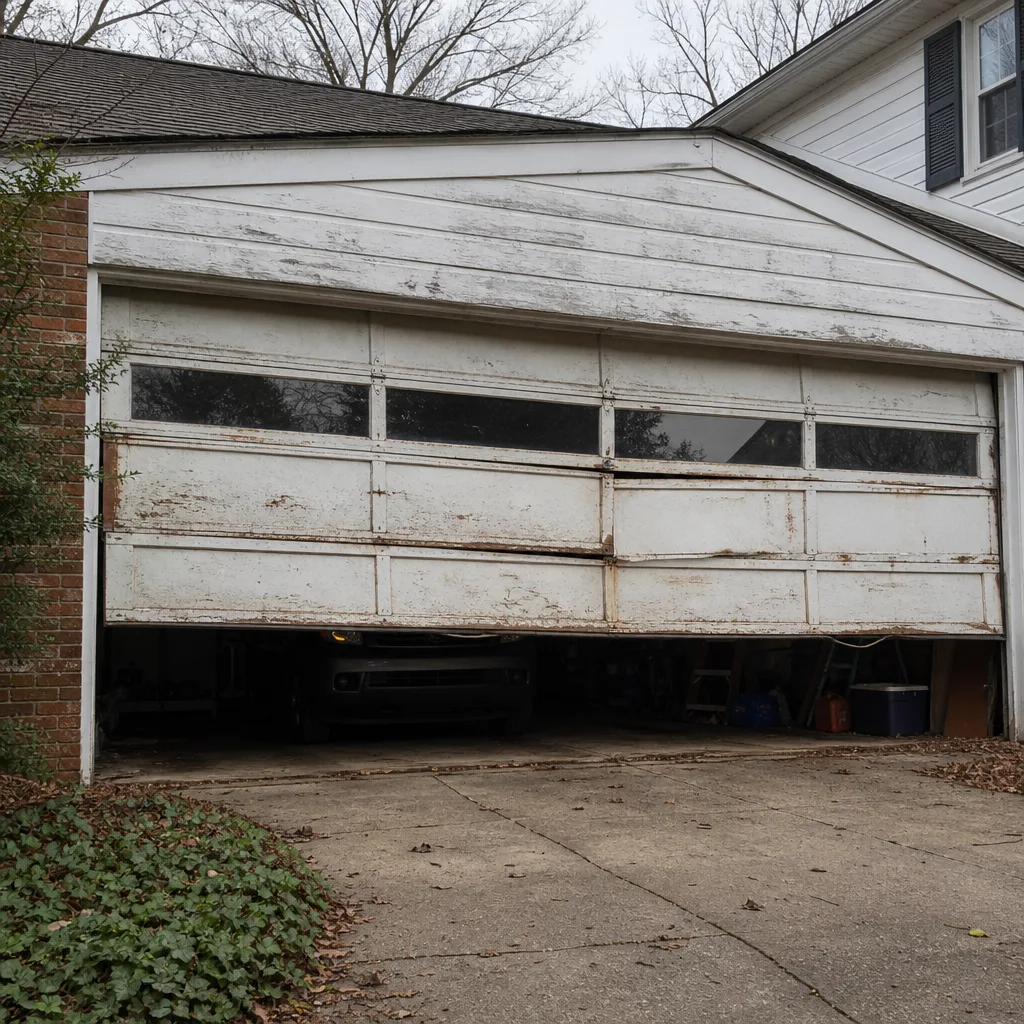 Before
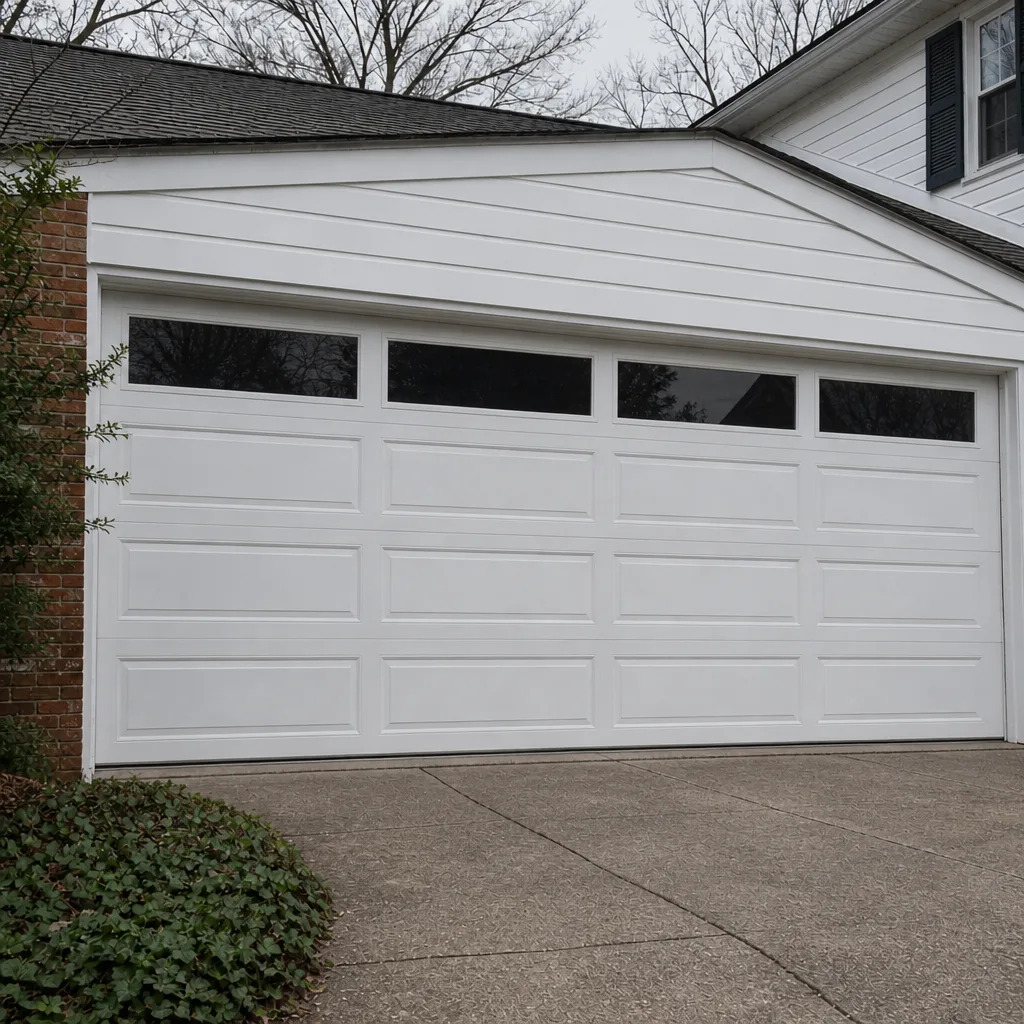 After
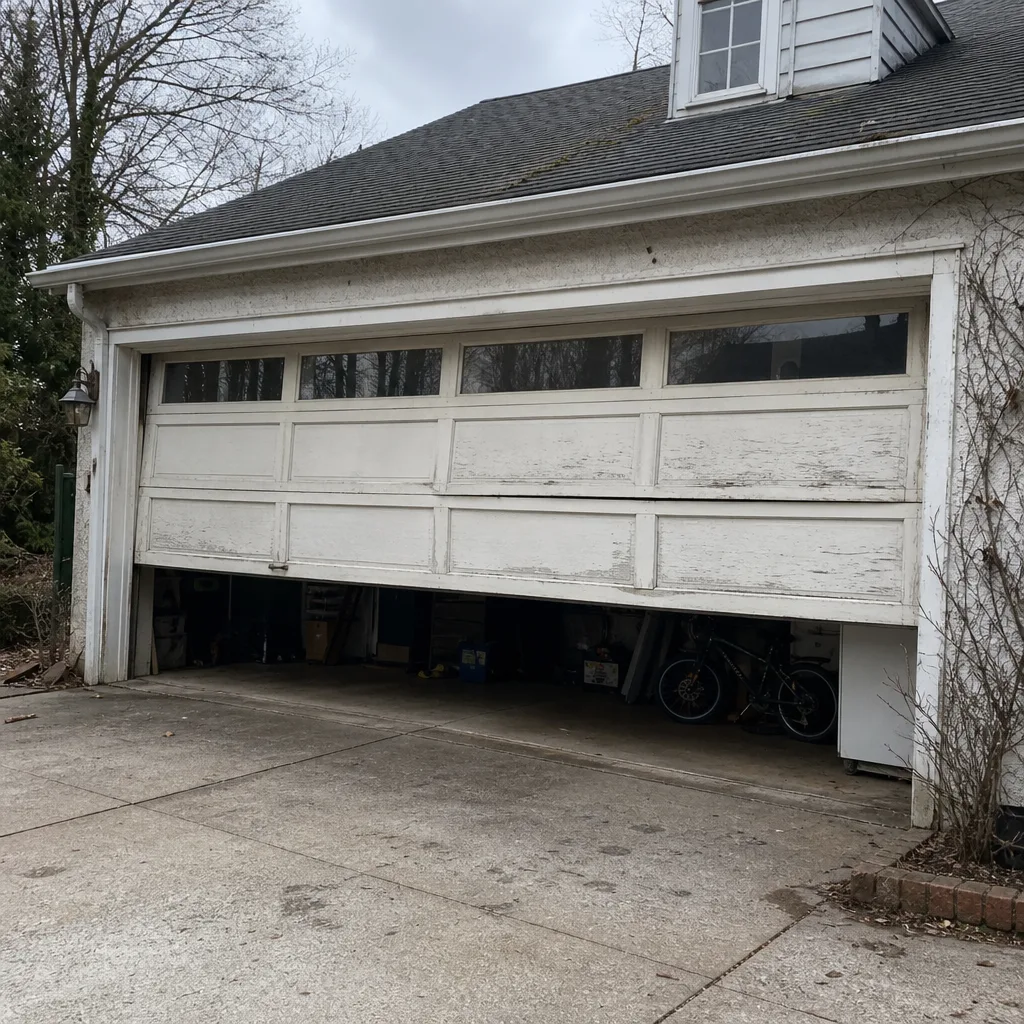 Before
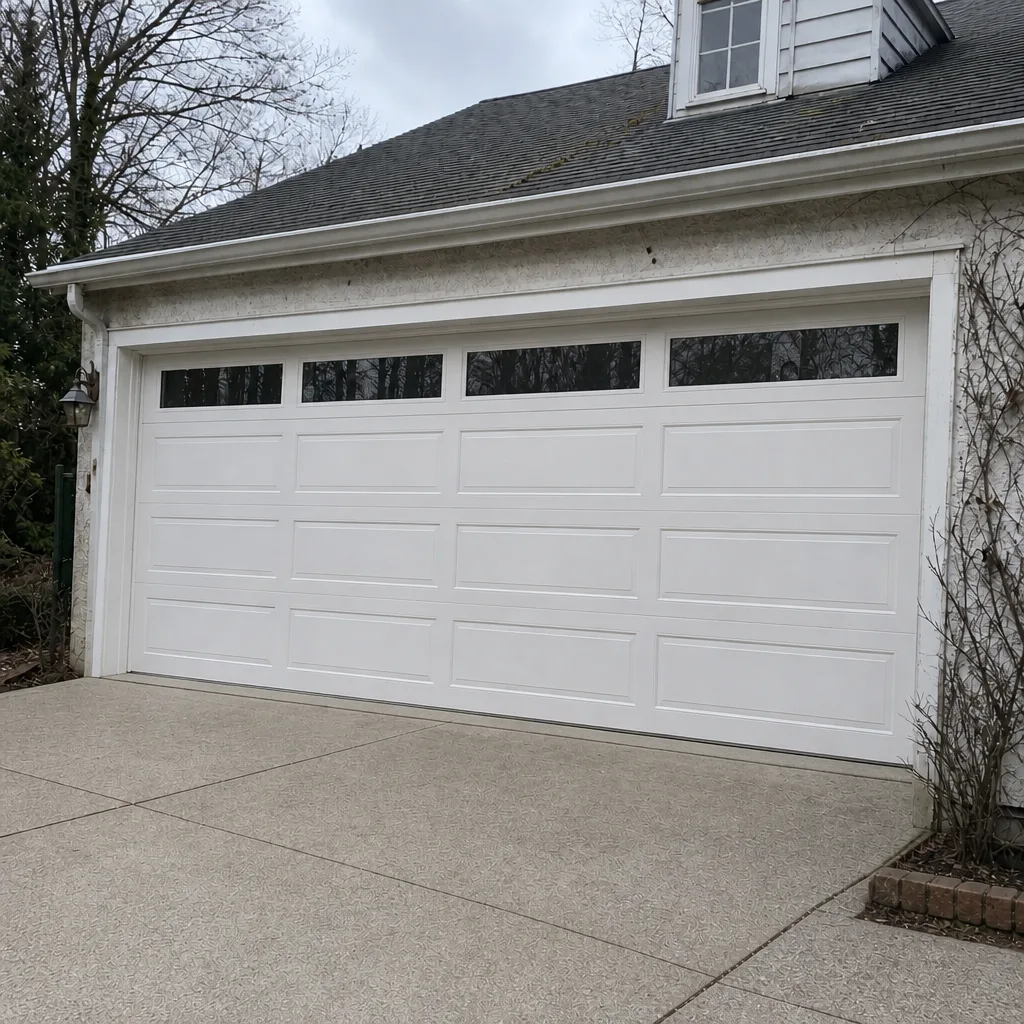 After
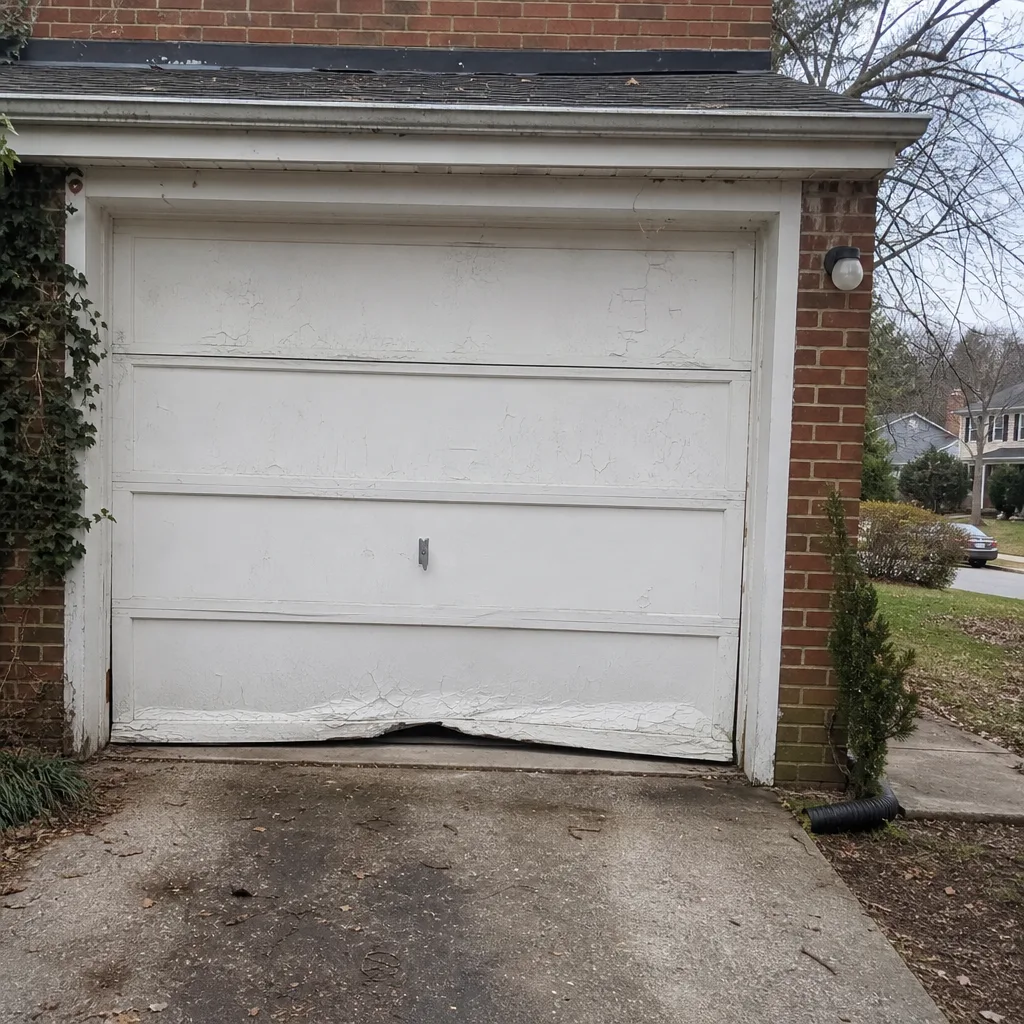 Before
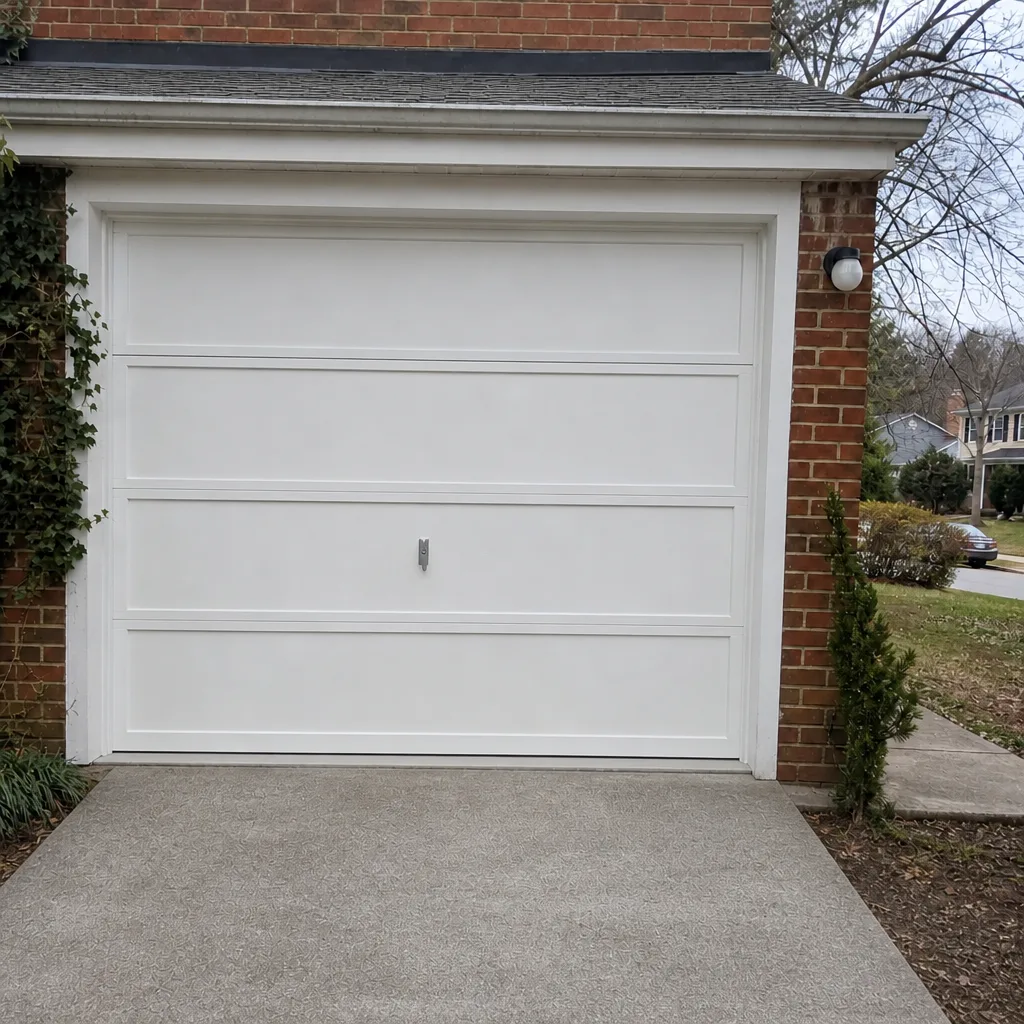 After
When to Call a Professional
Call a professional when your door needs a spring replacement (never a DIY job), when the opener’s safety reverse is failing, when a permitted install is coming up and you want the work done correctly the first time, or when a break happens and you can’t wait. Emergency service is a real offering here, not an upsell – when a spring snaps on a Sunday or your opener dies with the car inside, you need someone who can respond. We answer 24/7. Fast dispatch from 7am to 7pm, Sunday through Friday. Chevy Chase Garage Door Repair offers free estimates in Chevy Chase – call (855) 684-8076. Our technicians have up to 15 years of experience across all eight major brands, and we fix before we replace.
Frequently Asked Questions
In most cases, yes – a full garage door replacement in Chevy Chase, DC requires a building permit from the DC Department of Buildings. Spring replacement, opener repair, and component swaps generally do not. If your address is in Chevy Chase, Maryland, Montgomery County rules apply instead, so confirm jurisdiction first. Call (855) 684-8076 for an exact quote on your project – estimates are free.
DC addresses in Chevy Chase fall under the DC Department of Buildings (formerly DCRA), and Maryland addresses fall under Montgomery County’s Department of Permitting Services. Your property tax bill or deed will name the taxing authority, which settles it immediately. If you’re still unsure, call the building department with your street address and they’ll confirm.
No – spring replacement is considered repair work, not construction, and doesn’t require a permit in DC or Montgomery County. But it does require trained technicians. High-tension torsion and extension springs carry serious injury risk without the right tools, so this isn’t a homeowner job. Call (855) 684-8076 for a free estimate on spring replacement.
An inspection confirms the header bracket is properly anchored, the opener’s safety reverse and photo-eye sensors function correctly, egress requirements are met if the garage is attached, tracks and rollers are aligned, the door is balanced, and warning labels are in place. If any of these fail, the job is re-inspected, which delays the project. Getting it right the first time saves weeks.
Homeowners can pull permits for work on their own property in both DC and Montgomery County, but structural work and full replacements generally require a licensed contractor to pull the permit. If the job involves changing the opening or header, plan for the contractor to carry it. Call (855) 684-8076 to discuss what your specific project requires – estimates are free.
Yes, if your property falls within a historic overlay. Overlay rules can dictate door materials, panel profiles, color, glazing, and hardware details as seen from the street. Before ordering a door, confirm with the DC Department of Buildings or Montgomery County Planning whether your property is in a historic district, and request the design guidelines if it is. Plan for the review to add time to your schedule.
The Bottom Line
The permit question in Chevy Chase isn’t one question – it’s two, and the answer depends on which side of the DC-Maryland line your property sits on. Confirm your jurisdiction, check whether a historic overlay applies, and match the permit requirement to the actual scope of the work. Full replacements need permits and inspections; spring and opener repairs typically don’t. Get the door spec approved before you order, have the contractor carry the permit when structural work is involved, and never handle spring work yourself. Done right, the permit process is a few steps. Done wrong, it’s a re-inspection, a delayed door, and a complicated insurance conversation. If you’d rather have someone walk through it with you, call (855) 684-8076. We answer 24/7. Fast dispatch from 7am to 7pm, Sunday through Friday. Estimates are free.
Written by the team at Chevy Chase Garage Door Repair.